9.4

Brother
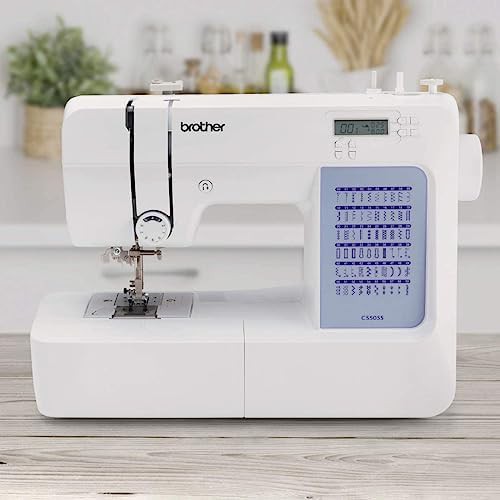
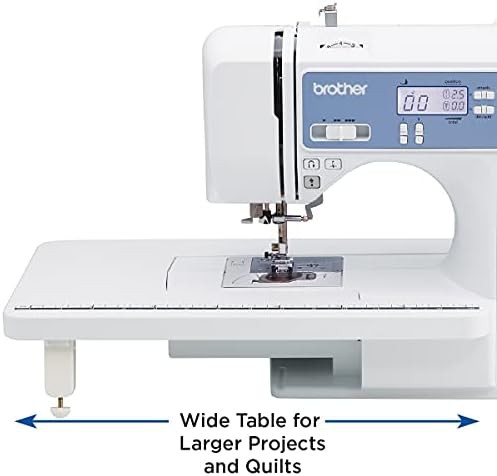
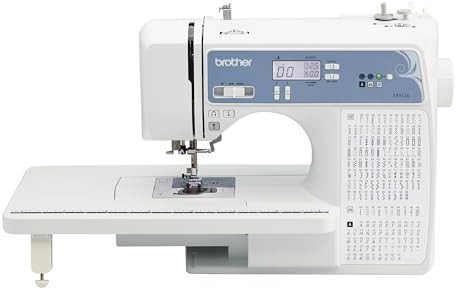
White Computerized Sewing Machine with Wide Table
$269
Quilting Multi-stitch With extension tables White
Machines featuring LCD displays and automated stitch selection 63 sewing machines · 12 brands
9.4
Quilting Multi-stitch With extension tables White
 9.4
 9.4
 9.4
 9.3
Quilting Multi-stitch With extension tables With cases
 9.3
 9.3
 9.3
 9.2
 9.1
 9.0
 9.0
 9.0
 9.0
 8.9
 8.9
For beginners Quilting Multi-stitch With LED lights Free arm
 8.9
With kits Multi-stitch Heavy duty Embroidery
 8.8
 8.8
 8.7
 8.5
 8.5
 8.4
For beginners Quilting Multi-stitch With LED lights Embroidery
 8.3
 8.3
 8.1
 7.8
 5.5
For beginners For adults Quilting Heavy duty Embroidery


With kits DIY craft Quilting Multi-stitch Heavy duty

Quilting Multi-stitch With LED lights White


Quilting Multi-stitch With extension tables


With kits DIY craft Multi-stitch Heavy duty

For beginners Multi-stitch With extension tables


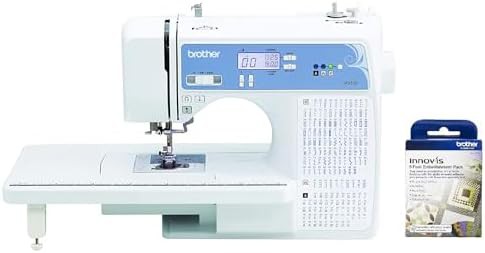
With kits Quilting Multi-stitch With extension tables
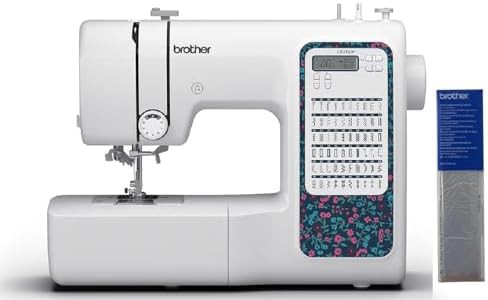

DIY craft Mending With foot pedals Multi-stitch Heavy duty With LED lights

DIY craft Mending With foot pedals Multi-stitch Heavy duty With LED lights


No. The machine has its own screen and controls. You select stitches and settings directly on the machine without connecting to a computer.
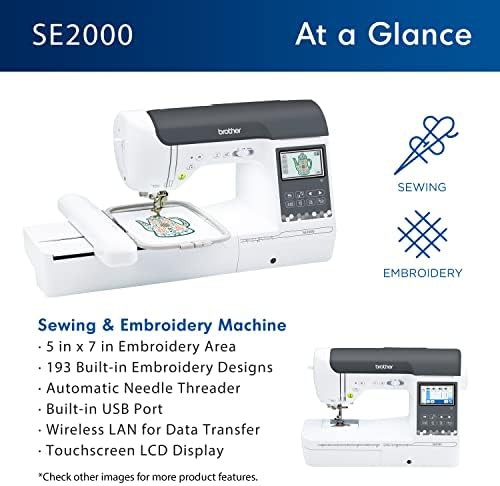
An embroidery machine has a hoop area and built-in designs for embroidering patterns. A computerized sewing machine focuses on stitch selection and may not include embroidery functions.
Some models have color touch displays, such as a 3.7-inch or 3.2-inch touchscreen. Others use a smaller LCD with buttons to scroll through stitch options.
Yes. Heavy duty computerized models are built for thicker fabric and include speed control and a needle threader. The stitch selection is electronic but the machine handles the same fabric as a mechanical heavy duty unit.
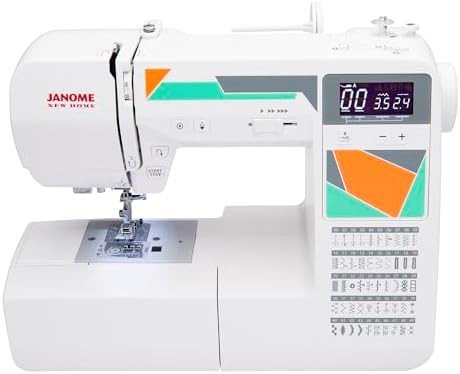
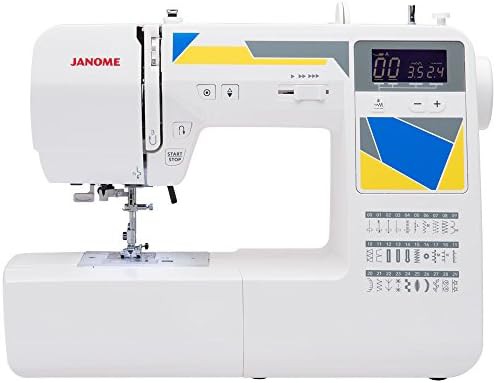
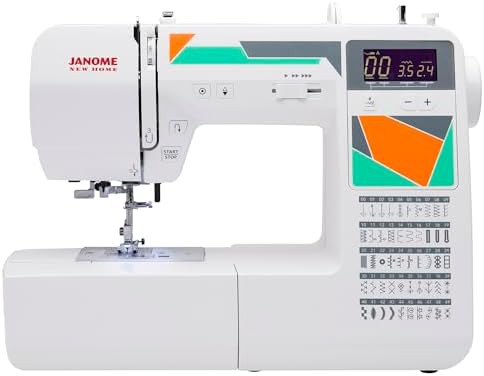
A computerized sewing machine uses an LCD screen and electronic controls to select stitches and adjust settings. Instead of turning a dial to pick a stitch pattern, you press buttons or touch the screen. The machine stores built-in stitches and can show the stitch number or a preview on the display.
Mechanical machines use physical dials and levers for stitch selection and length and width. Computerized models replace those with a screen and buttons, so you scroll through stitch options rather than turning a dial to a marked position. The stitch selection is more precise and repeatable on a computerized unit because the electronics control the settings.
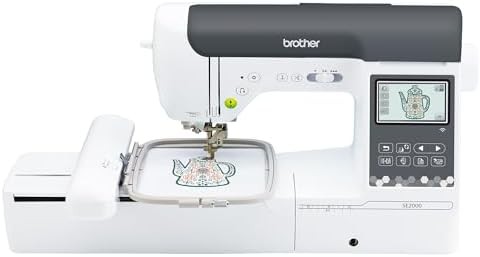
Some computerized models also include embroidery functions with a hoop area and built-in designs. Those machines have a larger screen and a hoop arm to hold fabric for embroidery. A basic computerized sewing machine focuses on stitch selection and speed control without embroidery.
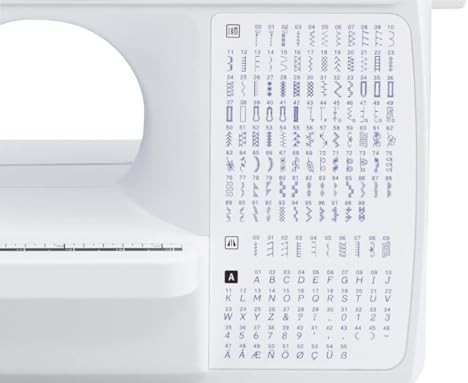
The screens range from small monochrome LCDs to 3.7-inch color touch displays. Larger touchscreens show stitch previews and menu options, while smaller screens use buttons to scroll through numbered stitches. Built-in stitch counts vary, with some models offering a few dozen and others listing hundreds of stitches.