 9.4
Sewing machines / For jeans
Selected brands
Sewing Machines for Jeans
Updated 2026-10-27
Robust machines designed to sew through multiple layers of heavy denim 76 sewing machines · 52 brands
For beginners
Mini
With kits
Handheld
DIY craft
Mending
Travel
Affordable
For adults
With foot pedals
12-stitch
Dual speed
Quilting
Heavy duty
Multi-stitch
For kids
With LED lights
Leather
For jeans
With extension tables
Computerized
White
Cordless
Serger and overlock machines
Industrial
Black
With cases
Embroidery
Free arm
16-stitch
Blue
Manual
Red
Purple
Fits 13 inch
Green
Gray
Best Sewing Machines for Jeans
9.4
 8.9
 8.2

Royasellpro
Purple mini sewing machine for denim
$39.99
For beginners Mini With kits With foot pedals Dual speed With LED lights
 8.0
Janome
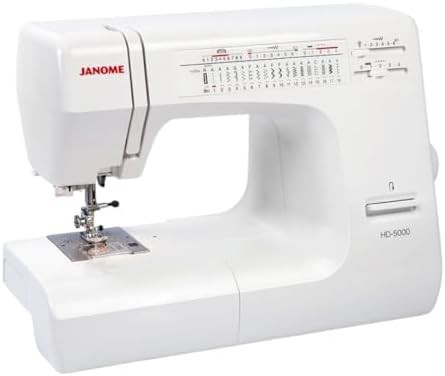
Heavy duty mechanical machine for leather
$499
Leather For beginners With foot pedals Quilting Heavy duty
 7.8
 7.8

 7.5

Flying Banana
Dual speed beginner denim machine
$29.99
For beginners Mending For adults Dual speed For kids
 6.3
 5.9

BENEALL
White mini denim twelve stitch machine
$39.59
For beginners Mini Mending For adults 12-stitch
 4.0
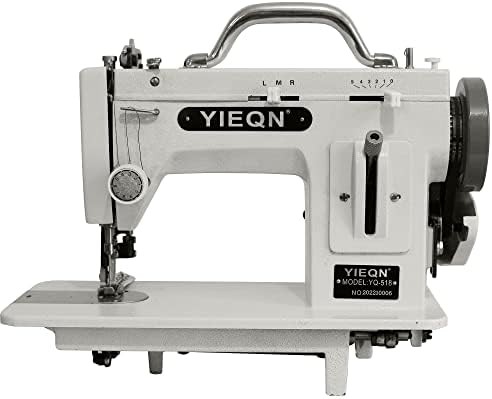


ciciglow
Electric Handheld Sewing Machine for Travel
$18.29
For beginners Handheld DIY craft Travel Affordable


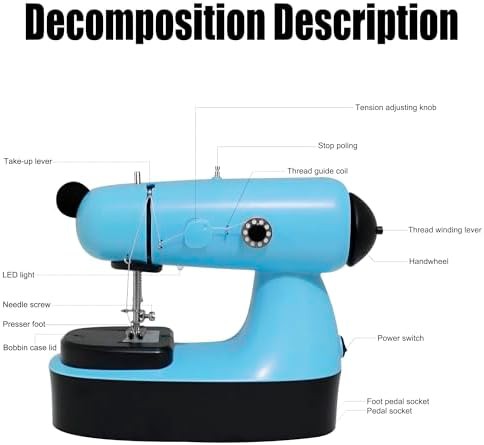
YEQIN
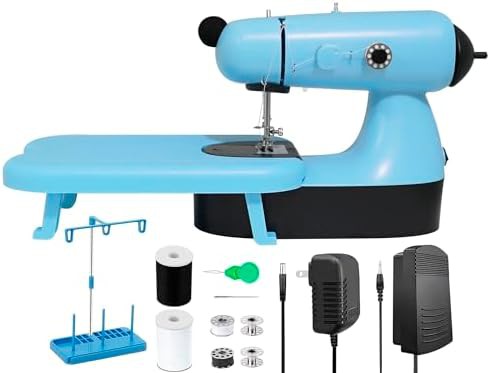
Portable mini machine with extension table
$39.99
For beginners Mini DIY craft Travel With LED lights For kids


BENEALL
Light blue mini twelve stitch machine
$39.59
Blue For beginners Mini Mending For adults 12-stitch


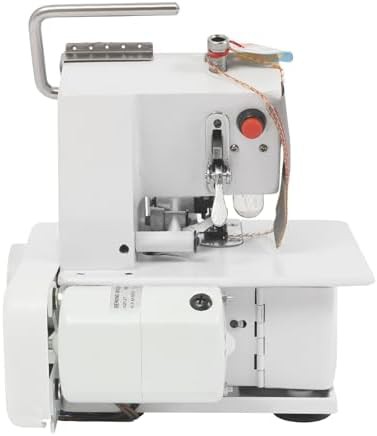
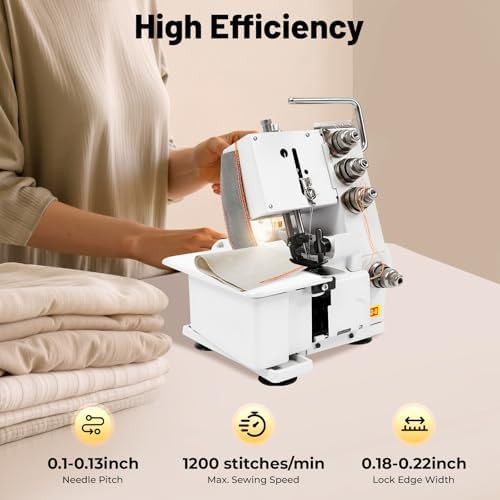


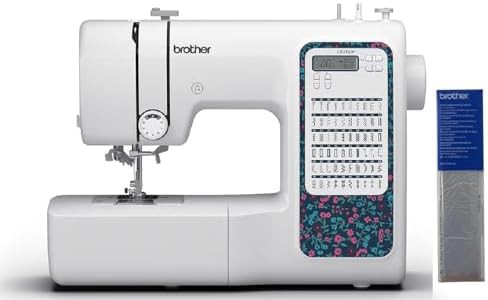
Brother
Computerized Denim Sewing Machine with Sixty Stitches
$180
Multi-stitch Computerized Free arm


Verdanika
Black mini machine for jeans and denim
$53.99
Black For beginners Mini Travel With foot pedals Dual speed
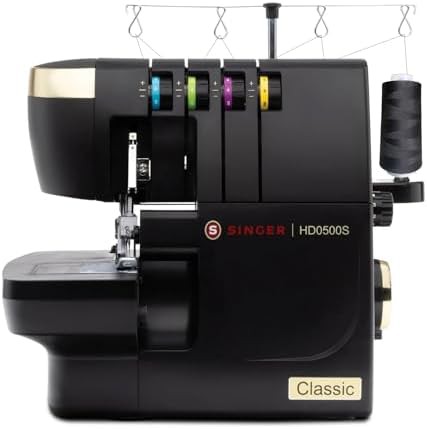
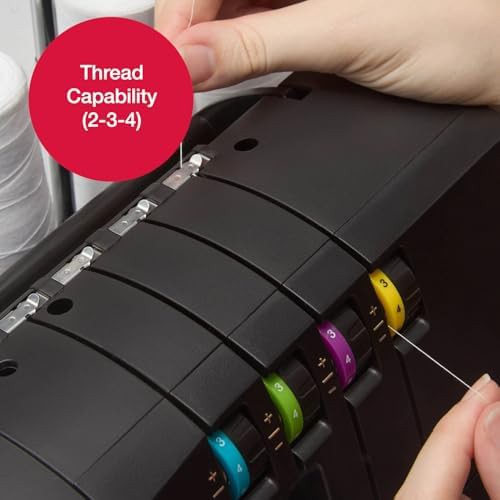
SINGER
Black heavy duty serger overlock machine
$310
Black For adults Heavy duty With LED lights Serger and overlock machines


SAYUANVA
Handheld quick stitch machine for denim
$4.99
Leather Red For beginners Handheld DIY craft Travel


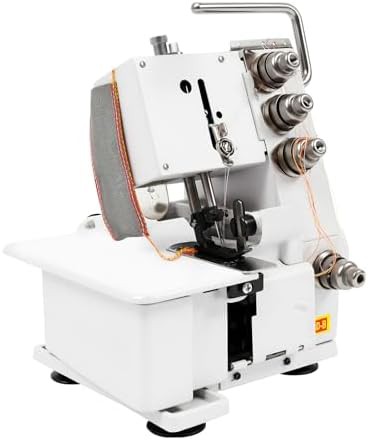
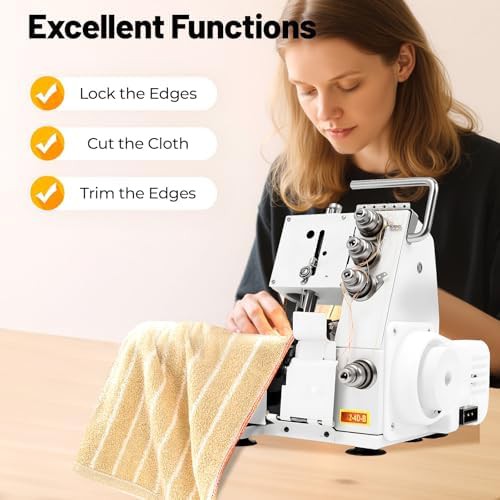
TTOCTE
Heavy duty four thread overlock serger
$99.29
Heavy duty With LED lights Industrial Serger and overlock machines


Shenzhen Jiayue Technology Co., Ltd.(CHINA)
Dual power handheld mending machine
$9.99
For beginners Handheld DIY craft Mending Travel Affordable


BVBLKHX
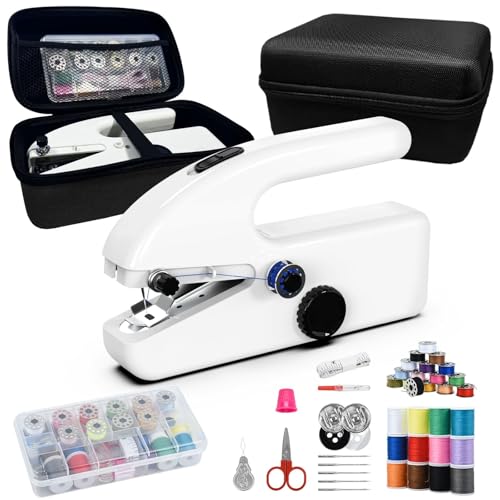
White Handheld Portable Mending Machine
$21.99
For beginners With kits Handheld DIY craft Mending Travel


Chedin
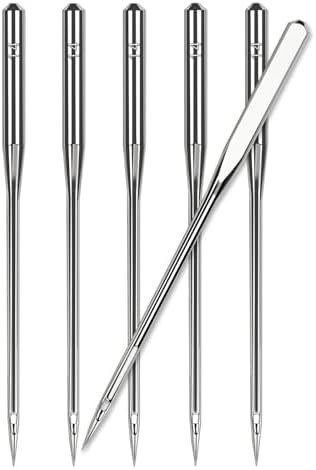
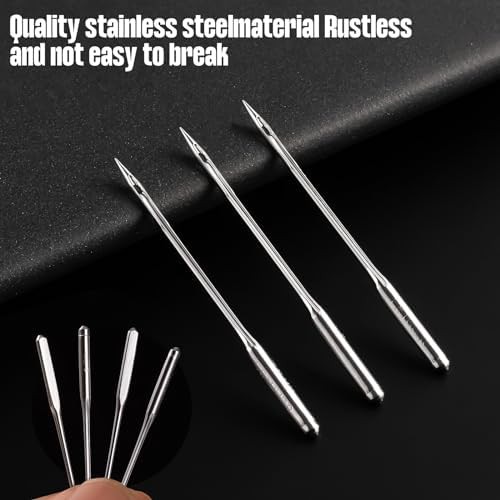
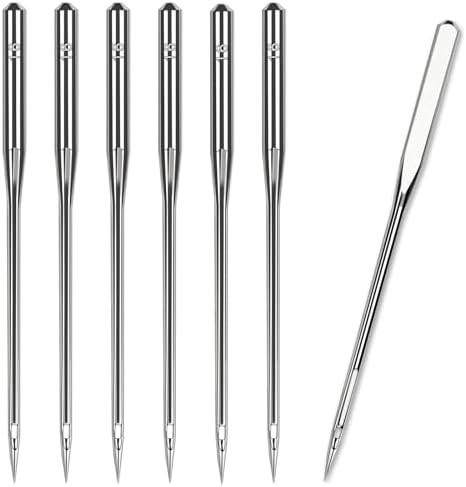
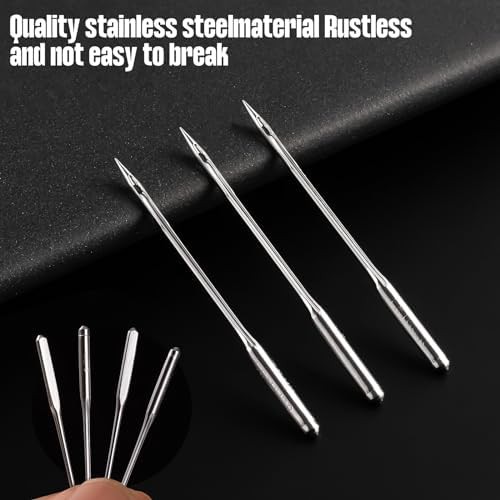
Universal Needles for Thick Fabric and Leather
$6.59
Leather Affordable Heavy duty Embroidery


Mdlufee
Handheld dual speed portable sewing machine
$29.99
For beginners Mini Handheld For adults Dual speed


Aureqilin
Upgraded dual speed handheld sewing machine
$15.93
For beginners Handheld For adults Travel Affordable Dual speed


ORISHA
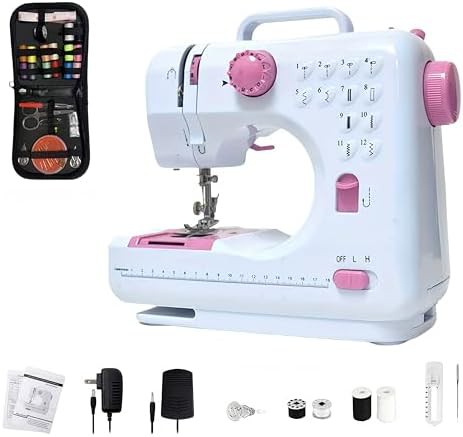
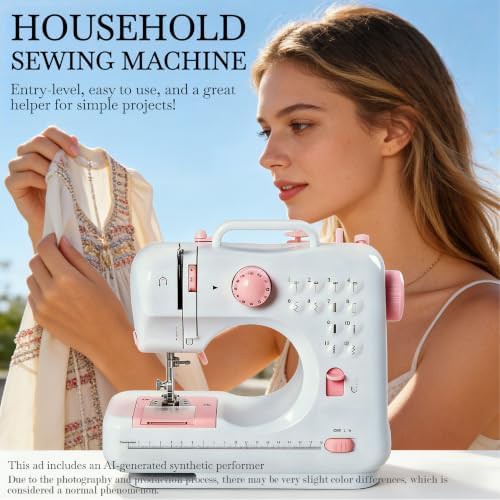
Portable all in one quilting sewing machine
$48.99
Mending Quilting 12-stitch Heavy duty Leather


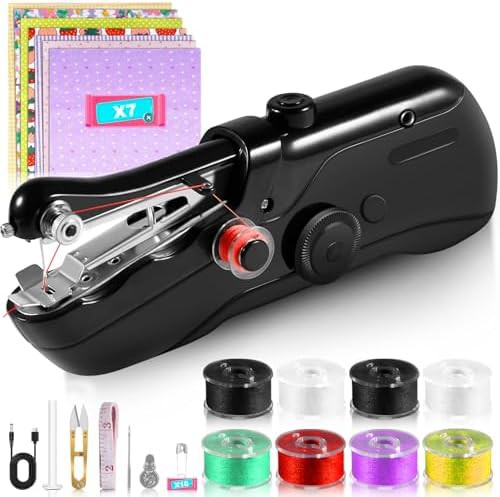
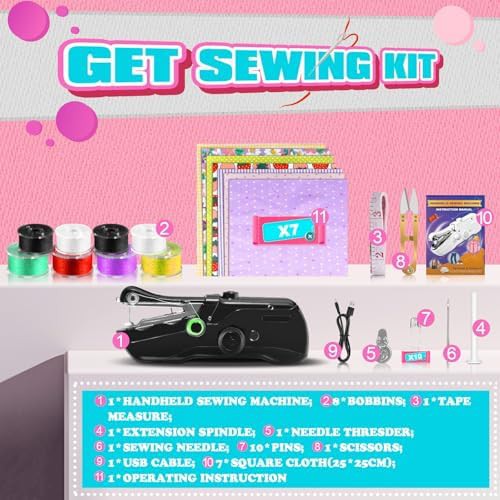
Berteen Handheld Sewing Machine
Handheld mending machine for denim fabrics
$18.99
For beginners With kits Handheld DIY craft Mending For adults
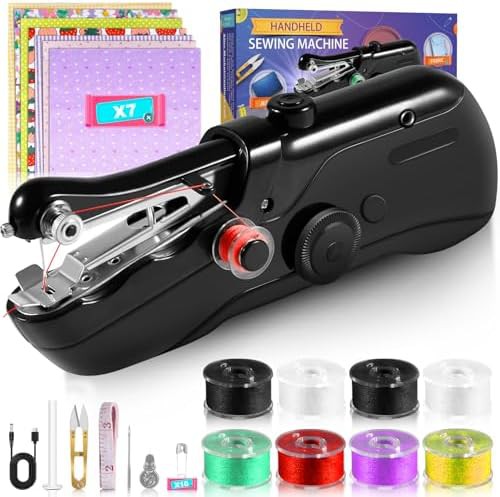
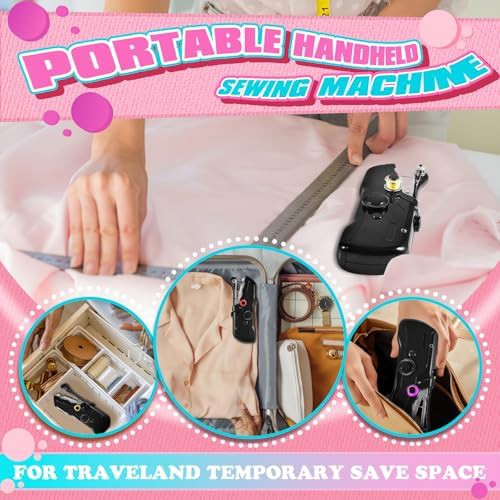
Berteen Handheld Sewing Machine
Electric hand sewing machine for travel
$23.99
For beginners With kits DIY craft Mending For adults Travel
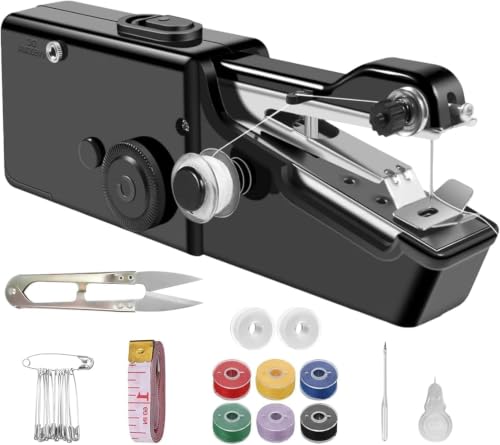
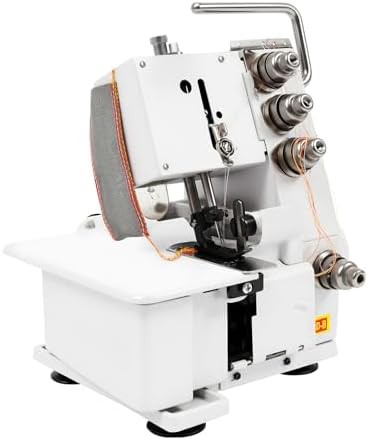
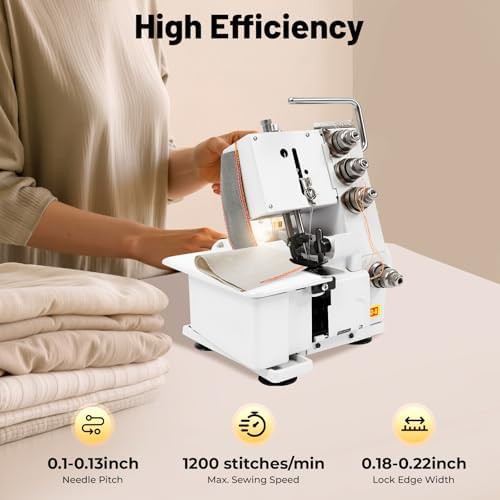
Aongslank
Four thread overlock serger with LED light
$108
13" With foot pedals With LED lights Serger and overlock machines


BIOEYFCOY
Black handheld mini sewing machine
$20.99
Black For beginners Mini Handheld DIY craft Affordable
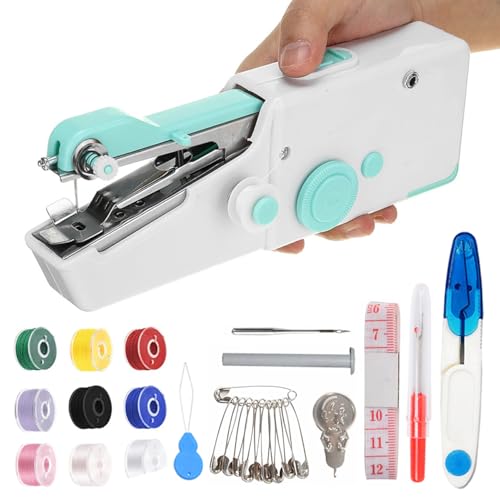
TIKMUS
Handheld Sewing Machine for Quick Stitching
$19.99
Beginners Blue Affordable DIY craft Embroidery Handheld
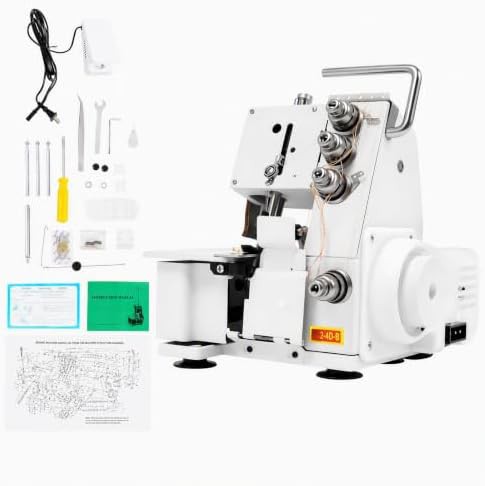
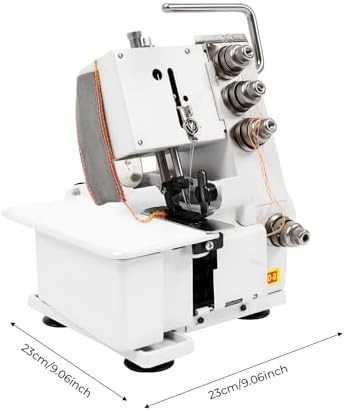
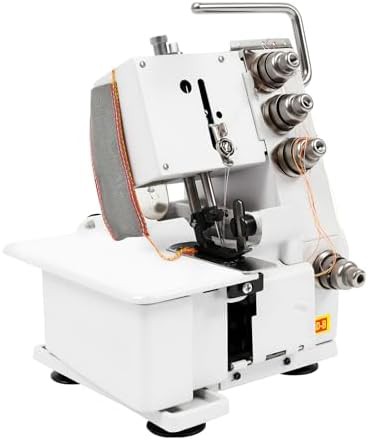
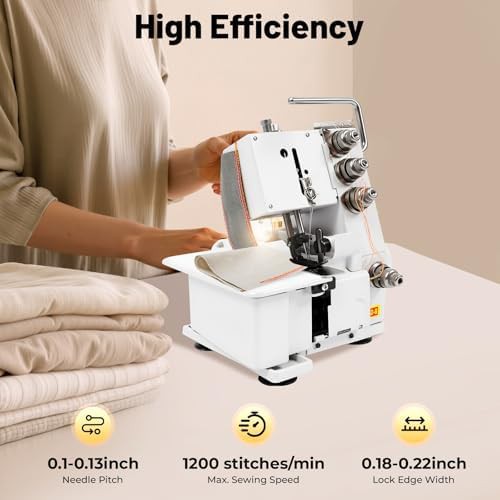
Fobuaggc
Professional four thread overlock serger machine
$59.30
With foot pedals Serger and overlock machines


Common questions
Jeans sewing machine questions
What needle size works for denim?
A size 90/14 heavy-duty needle is listed for jeans and embroidery work. It has a stronger shaft than a universal needle. For thick seams or multiple layers, a larger size may be needed.
Can a serger replace a sewing machine for jeans?
No. A serger finishes edges and trims seam allowance, but it does not make the main seams. You still need a lockstitch machine for the flat-felled seam and hem. The serger handles the inside edge that would otherwise fray.
Do I need a walking foot for denim?
A walking foot helps feed thick layers evenly and prevents the top layer from shifting. Heavy-duty machines often include one in the accessory kit. Without it, denim seams can pucker or the needle can deflect at cross seams.
What stitch count matters for denim?
A longer stitch length, around 3 to 4 mm, prevents the thread from perforating and weakening the denim. Short stitches crowd the fabric and cause puckering. Most heavy-duty machines have a dial or lever for this.
Sewing through denim layers
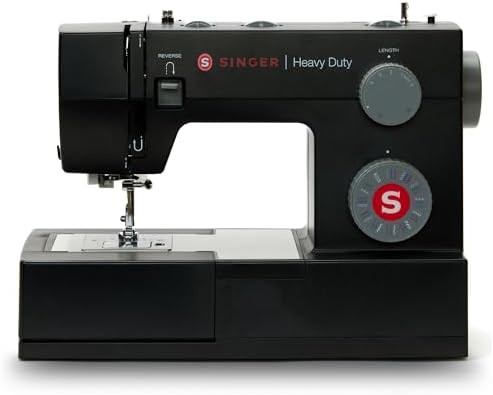
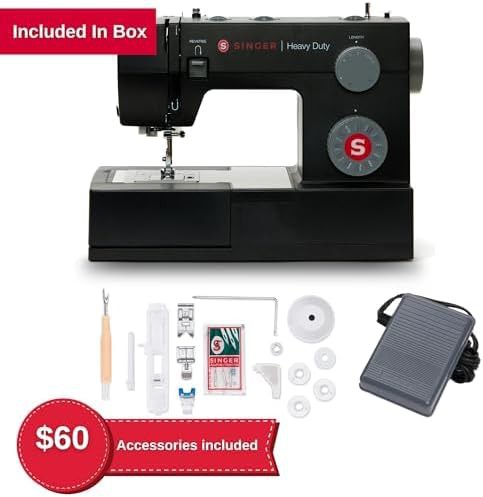
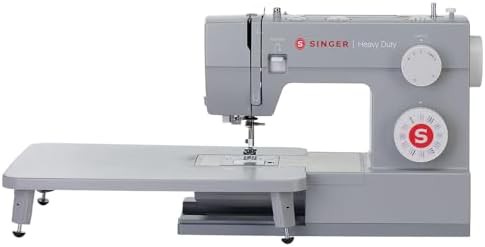
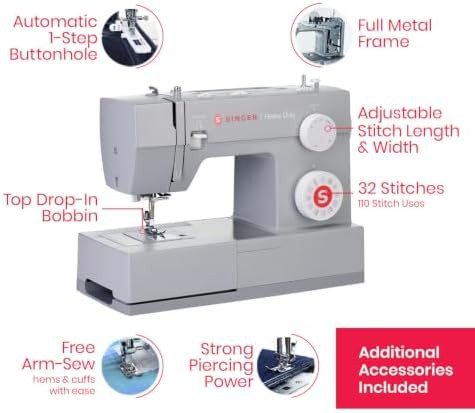
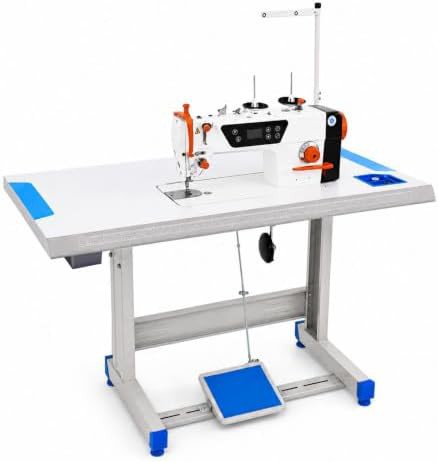
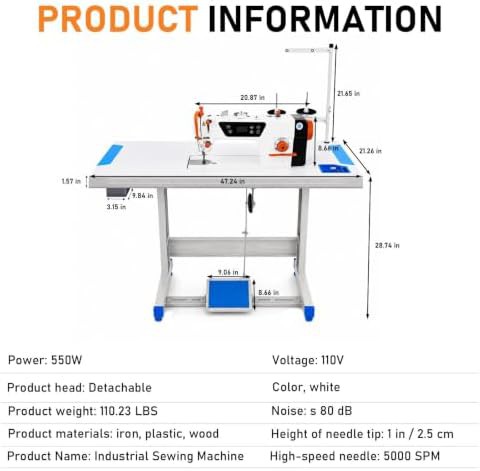
Denim is a tight twill that dulls needles and stalls weak motors at seams and hems. Machines for jeans carry a high-speed heavy-duty motor and a metal frame that holds timing under load. The 4432 and in this slice are flatbed machines with accessory kits and extension tables for large panels.
Sergers and overlock machines for denim edges
A 2-3-4 thread serger trims and wraps the edge in one pass, which is how denim is finished inside before the flat-felled seam. The HD0500S is a heavy-duty overlock in black. It handles the fraying edge of cut denim without the multiple passes a standard machine needs.
Computerized and mechanical options
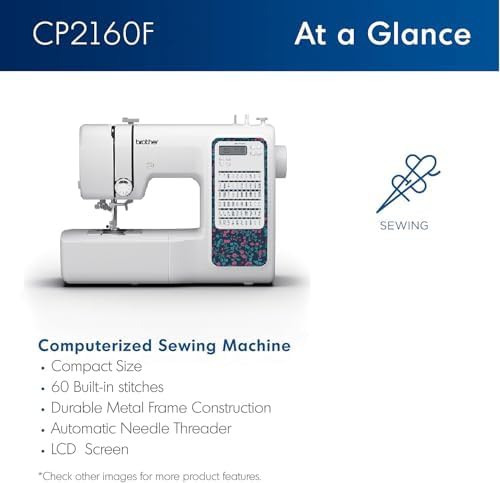
Computerized machines like the CP2160F offer 60 built-in stitches and an LCD display, which helps with decorative topstitching on denim. Mechanical heavy-duty machines skip the screen and run simpler, with fewer stitch choices but more consistent power at slow speed. The tradeoff is stitch variety versus brute force at the needle.