 9.4
Sewing machines / Serger and overlock machines
Selected brands
Serger Sewing Machines
Updated 2026-10-27
Specialized equipment for finishing edges and creating professional seams 50 sewing machines · 41 brands
For beginners
Mini
With kits
Handheld
DIY craft
Mending
Travel
Affordable
For adults
With foot pedals
12-stitch
Dual speed
Quilting
Heavy duty
Multi-stitch
For kids
With LED lights
Leather
For jeans
With extension tables
Computerized
White
Cordless
Serger and overlock machines
Industrial
Black
With cases
Embroidery
Free arm
16-stitch
Blue
Manual
Red
Purple
Fits 13 inch
Green
Gray
Best Serger Sewing Machines
9.4

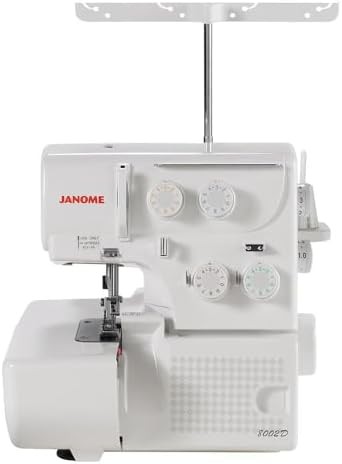 9.1
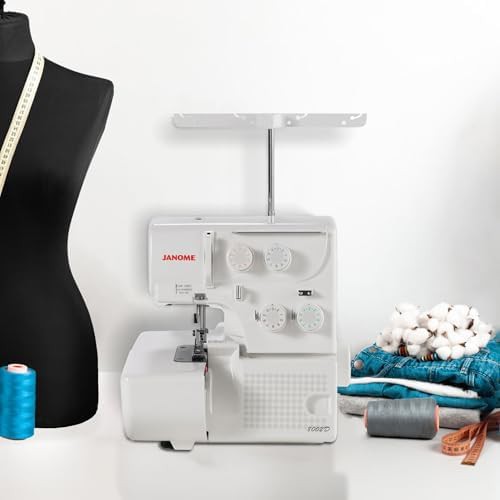
 8.8

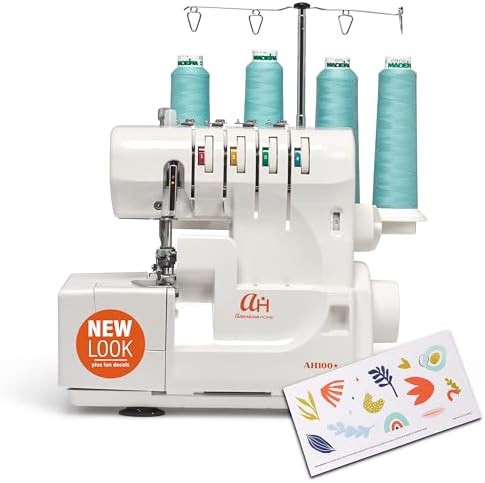 8.7
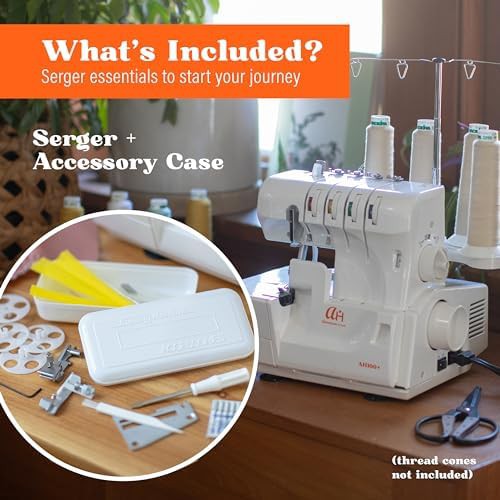
 8.7
 8.3
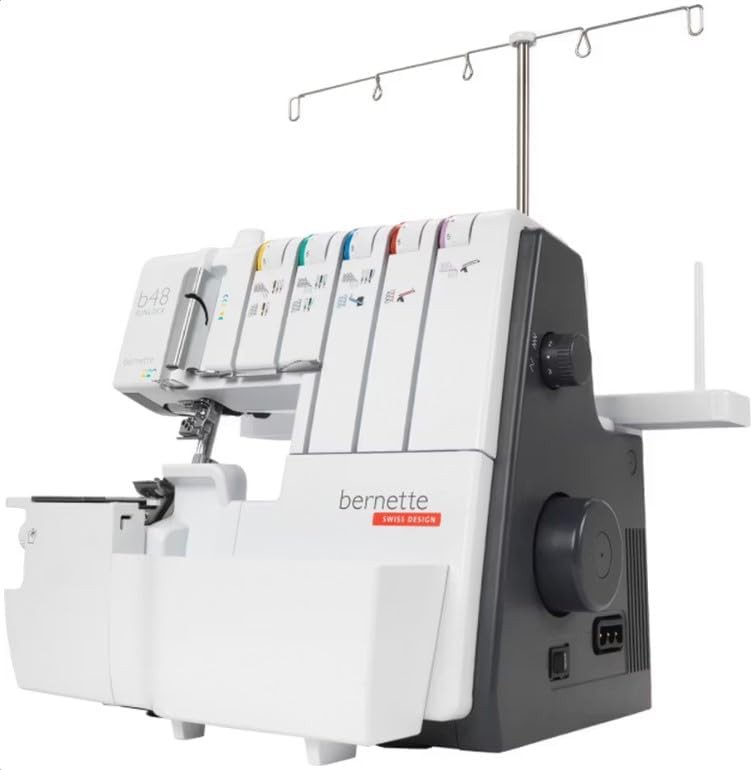
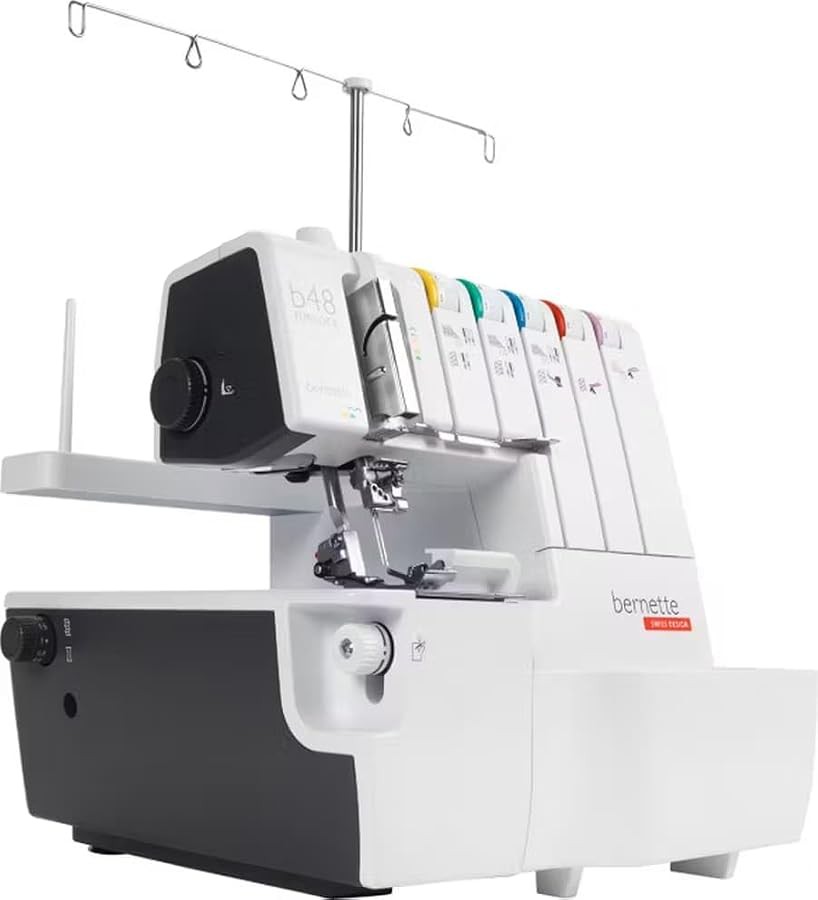
Bernette
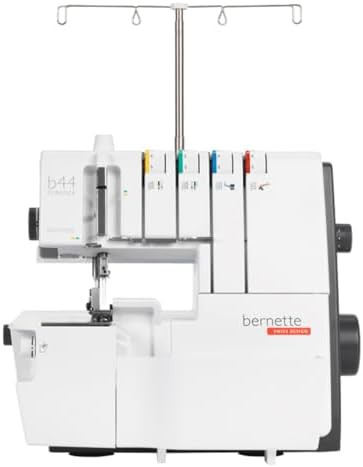
Serger and coverstitch machine for quilting
$999
For beginners For adults Quilting Multi-stitch Heavy duty With LED lights
 8.1
Bernette
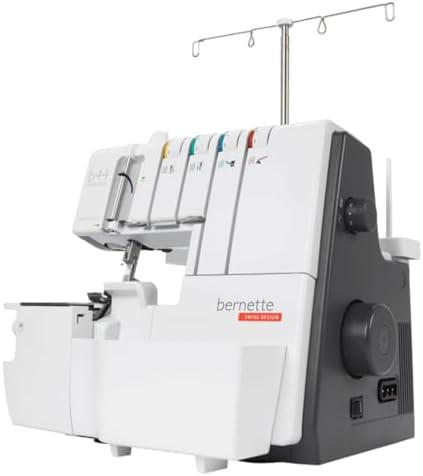
Serger machine with large extension table
$699
With kits For adults Quilting Multi-stitch Heavy duty With LED lights
 7.6


Bernette
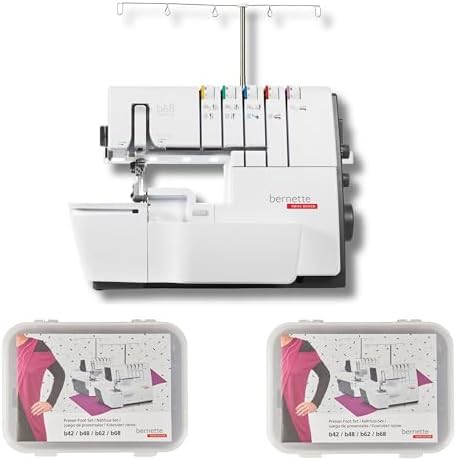
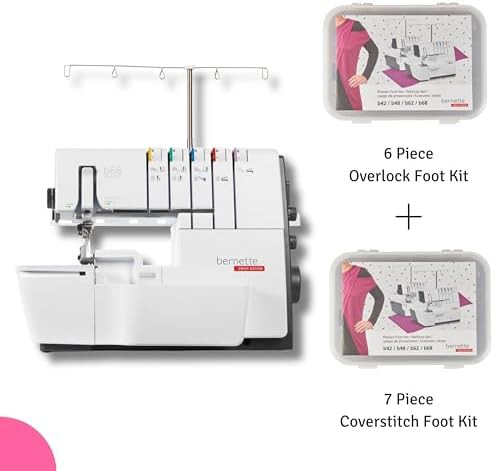
Airlock serger machine with accessory feet
$2,178
For beginners With kits Quilting Heavy duty With LED lights
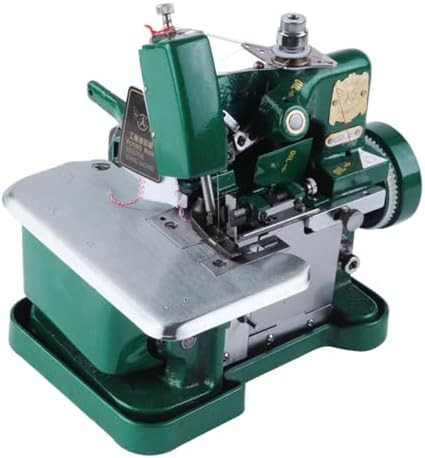
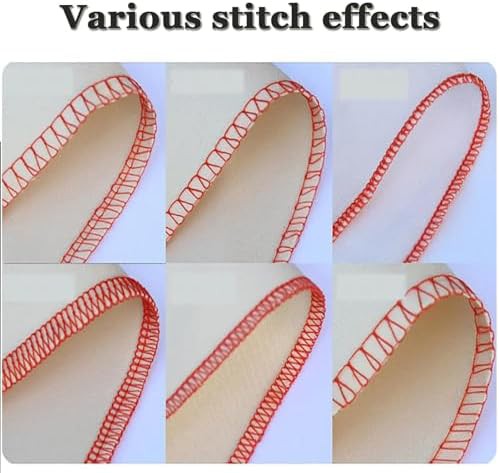
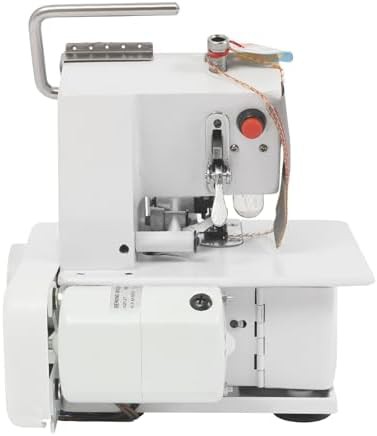
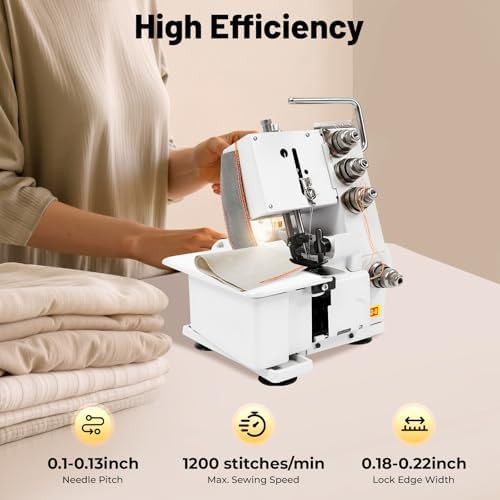


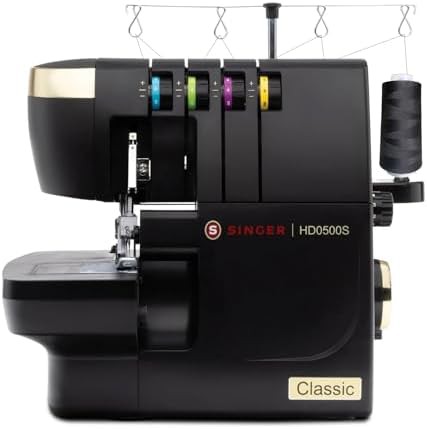
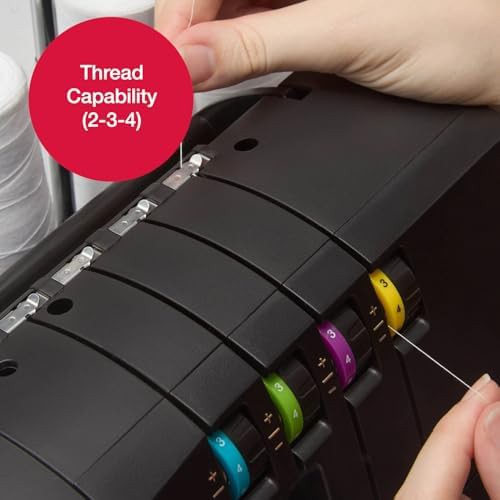
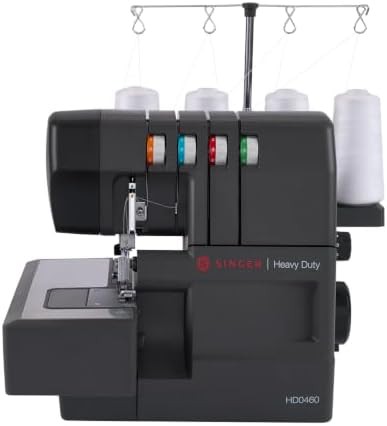
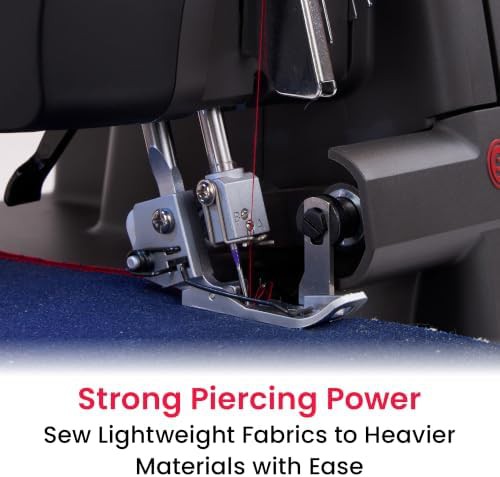
SINGER
Black heavy duty serger overlock machine
$310
Black For adults Heavy duty With LED lights For jeans
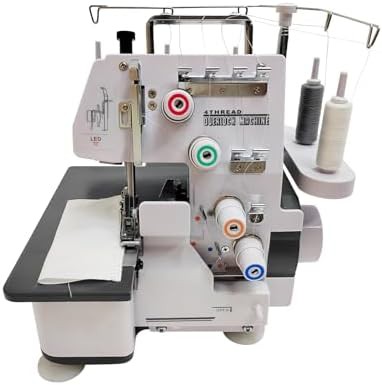
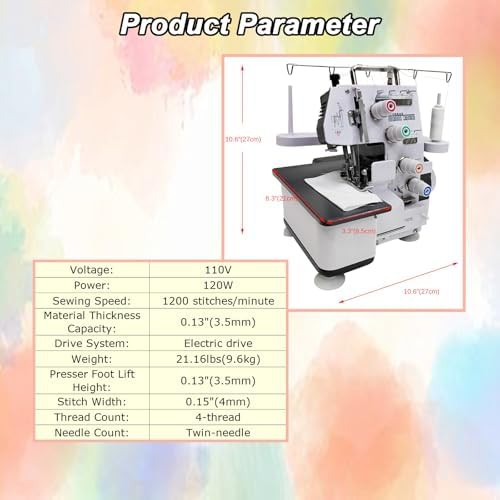


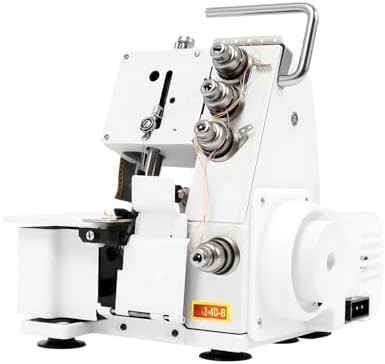
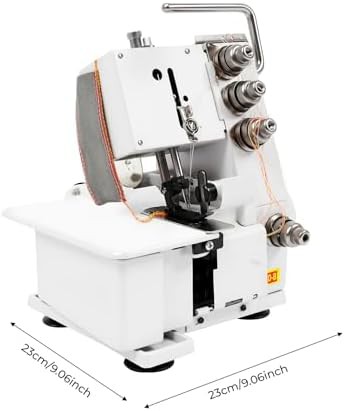


TTOCTE
Heavy duty four thread overlock serger
$99.29
Heavy duty With LED lights Industrial For jeans


RoxYrabxy
White four thread industrial overlocker
$60.99
Heavy duty With LED lights Industrial White


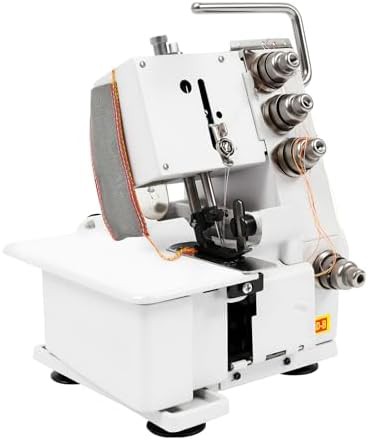
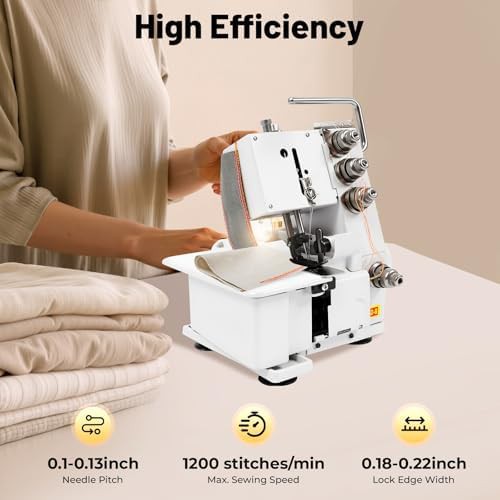
VEVOR
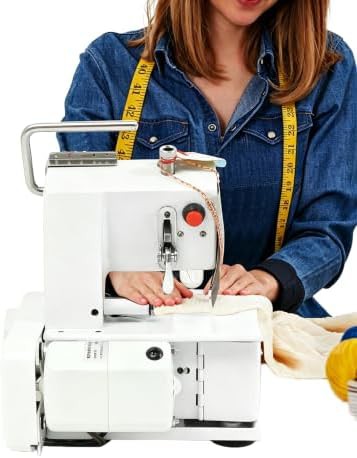
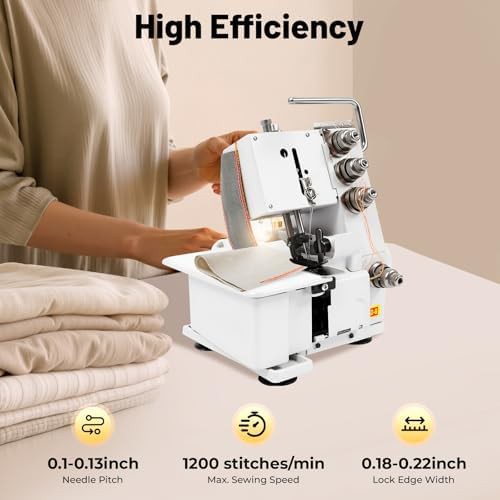
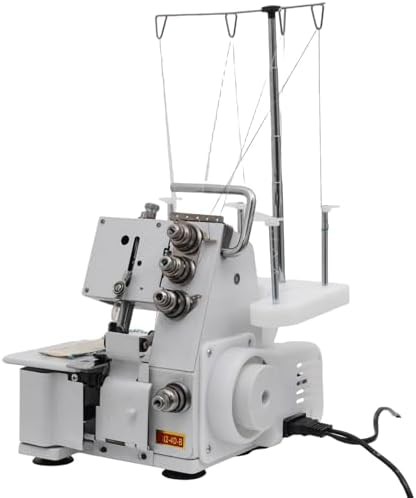
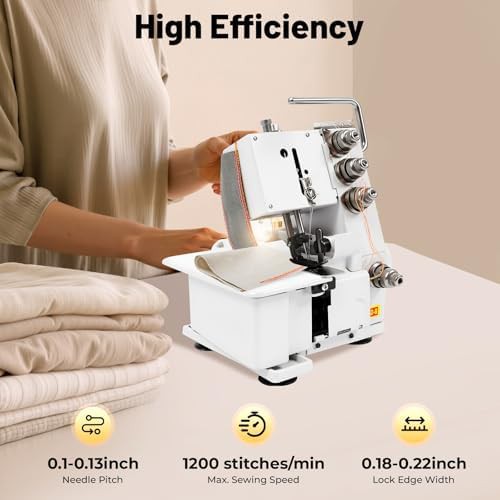
Serger overlock sewing machine with white finish
$186
Mending Heavy duty With LED lights White
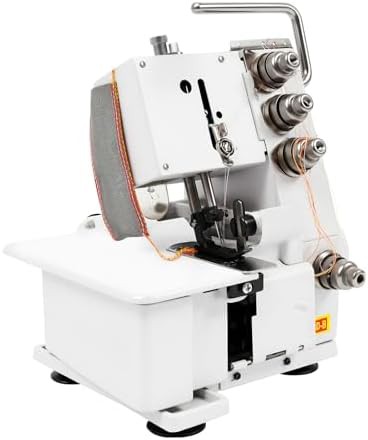
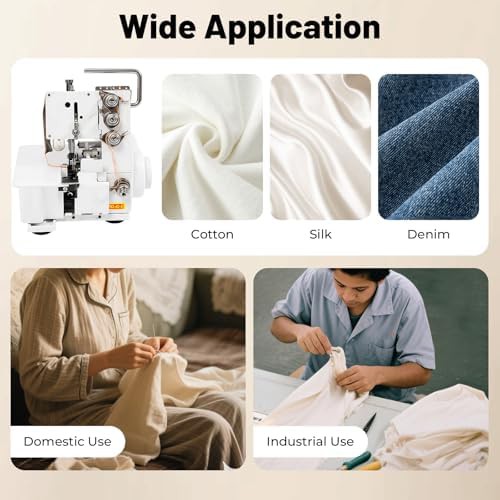


VEVOR
Serger overlock sewing machine with 3 and 4 thread
$125
Mending Heavy duty With LED lights White
YIPONYT
Electric four thread industrial overlock machine
$79
With foot pedals With LED lights Industrial
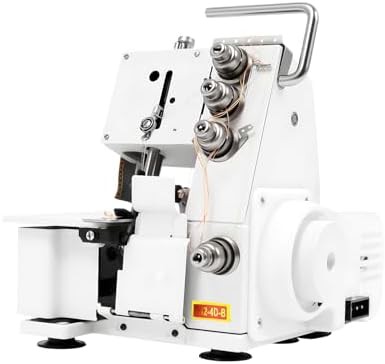
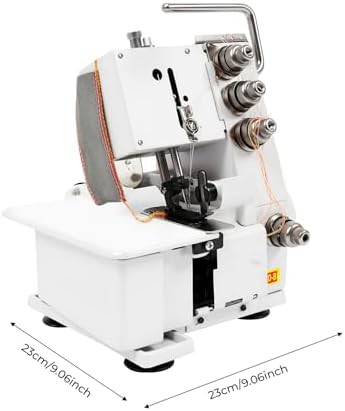
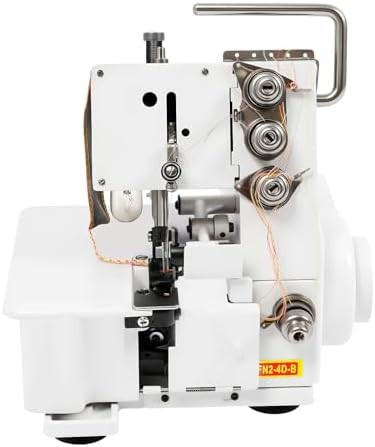
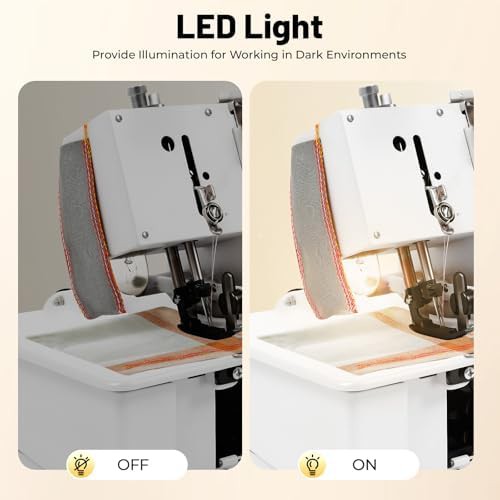
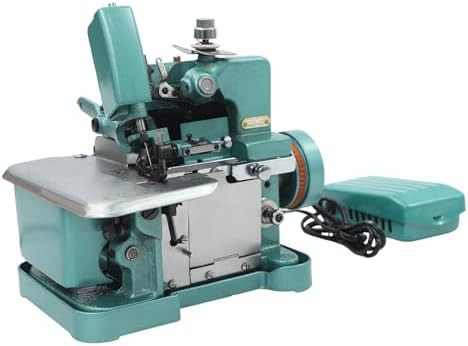
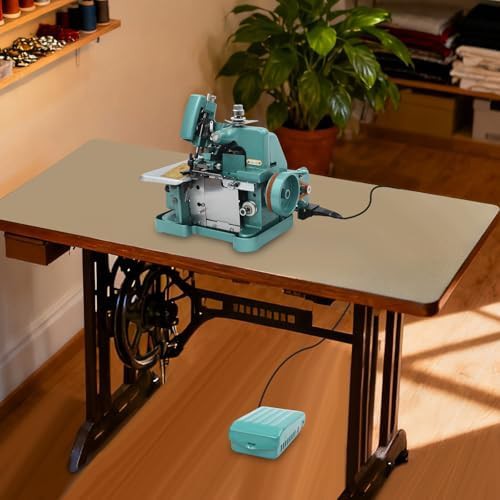


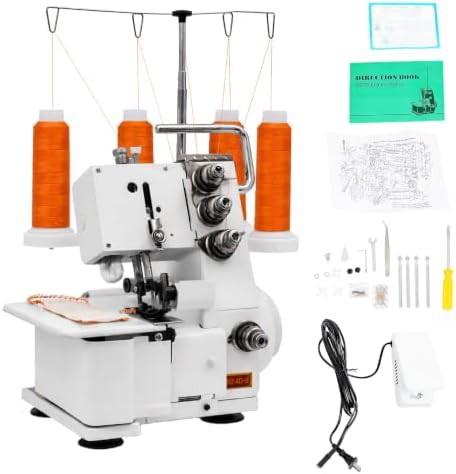
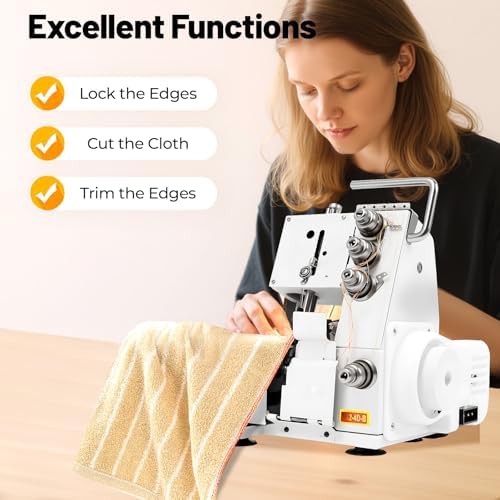


MARGAR
White Twelve Stitch Serger Overlock Machine
$177
For beginners With kits With foot pedals 12-stitch With LED lights


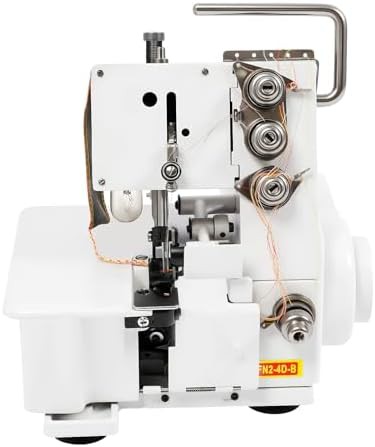
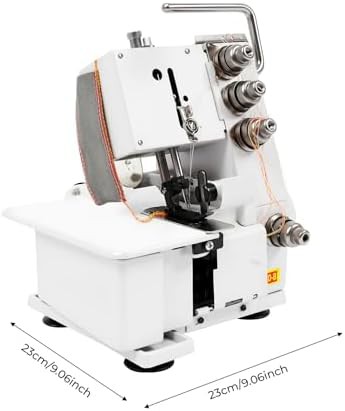


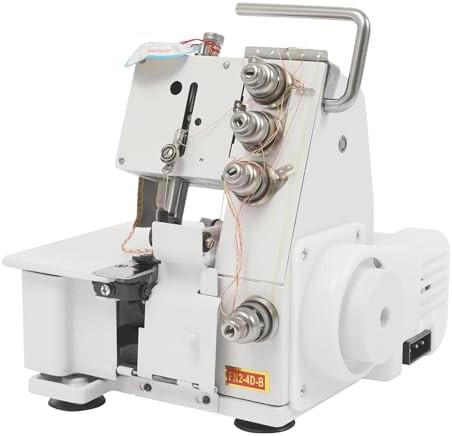
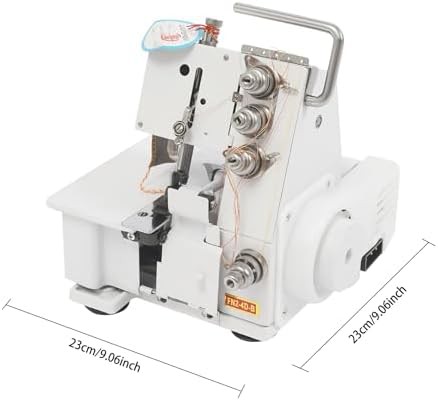
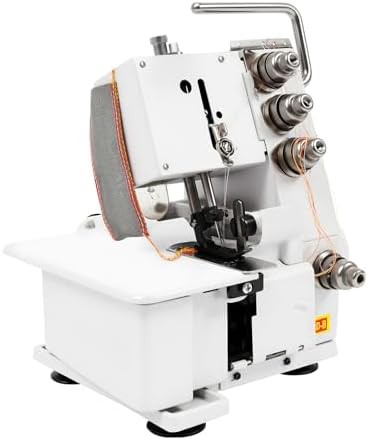
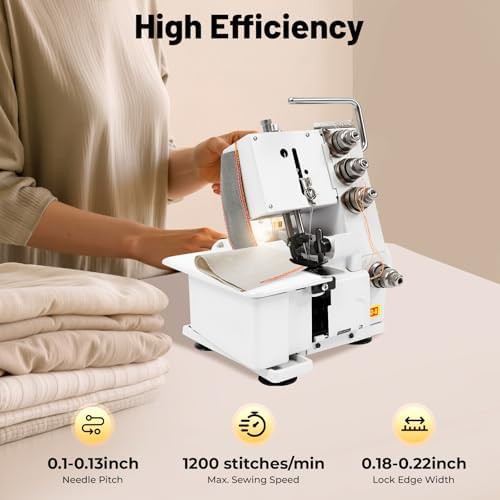
Aongslank
Four thread overlock serger with LED light
$108
13" With foot pedals With LED lights For jeans


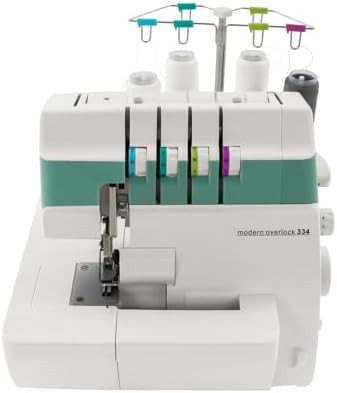
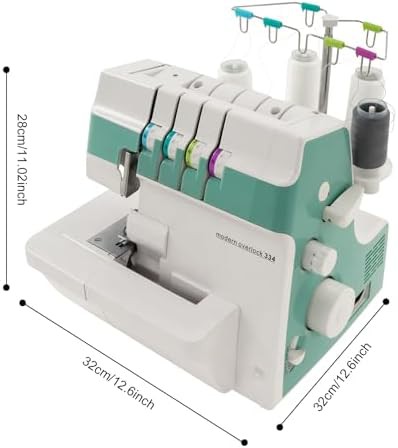
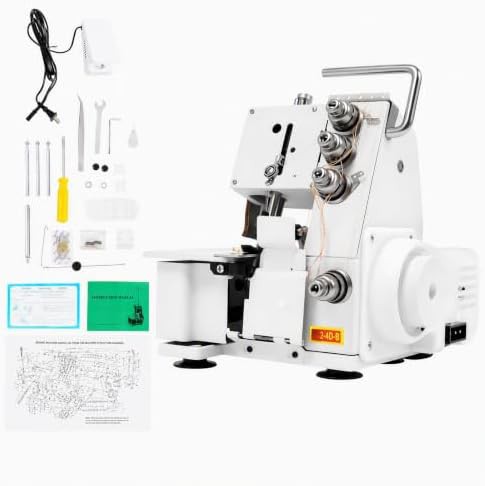
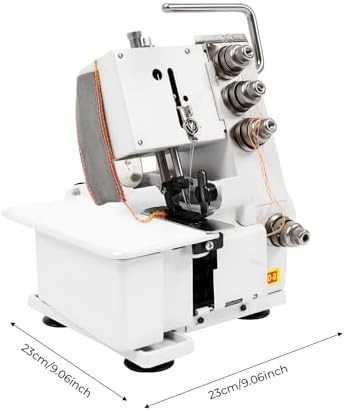
Common questions
Serger questions
Can a serger replace a regular sewing machine?
No. A serger trims and wraps edges but does not make straight seams, buttonholes, or zippers. You need both machines for garment construction.
What thread count should I get?
A 3-thread or 4-thread setup handles most knits and wovens. Choose 2-thread only if you mainly do narrow rolled hems on lightweight fabric.
Is air threading worth it?
Air-jet threading saves time and reduces errors when threading loopers. Manual threading works but takes practice and patience.
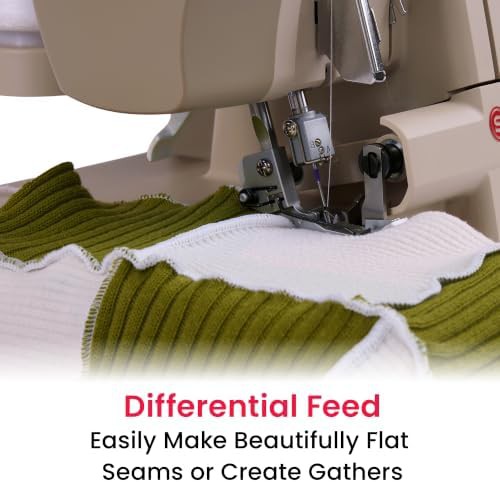
What does differential feed do?
Differential feed adjusts how the machine pulls fabric to prevent wavy seams on knits and puckers on lightweight material. It is adjustable on most sergers.
What a serger does at the seam
A serger, also called an overlock machine, trims the fabric edge and wraps it with thread in one pass. It uses multiple threads, typically three or four, to form a stretchy seam that won't unravel. The cutters can be disengaged on some models for decorative flatlocking or rolled hems.
These machines run fast and are built for edge finishing, not for constructing a garment from start to finish. You still need a standard sewing machine for zippers, buttons, and straight seams. A serger handles knits, fray-prone wovens, and rolled hems with a consistency a regular machine cannot match.
Thread count, feed, and build
Thread count changes what the machine can do. A 2-thread setup makes a narrow overlock for lightweight edges. A 3-thread setup adds width and is common for general finishing. A 4-thread setup combines two needle threads with two looper threads for a strong, wide seam on heavier knits and wovens.
Differential feed controls how the machine stretches or gathers the fabric as it feeds. It prevents wavy seams on knits and puckers on lightweight material. Look for a machine with adjustable differential feed if you sew stretch fabrics often.