 9.4
Sewing machines / Leather
Selected brands
Leather Sewing Machines
Updated 2026-10-27
Specialized stitchers for handling tough hides and upholstery 78 sewing machines · 50 brands
For beginners
Mini
With kits
Handheld
DIY craft
Mending
Travel
Affordable
For adults
With foot pedals
12-stitch
Dual speed
Quilting
Heavy duty
Multi-stitch
For kids
With LED lights
Leather
For jeans
With extension tables
Computerized
White
Cordless
Serger and overlock machines
Industrial
Black
With cases
Embroidery
Free arm
16-stitch
Blue
Manual
Red
Purple
Fits 13 inch
Green
Gray
Best Leather Sewing Machines
9.4

 9.4

 9.4
 9.3

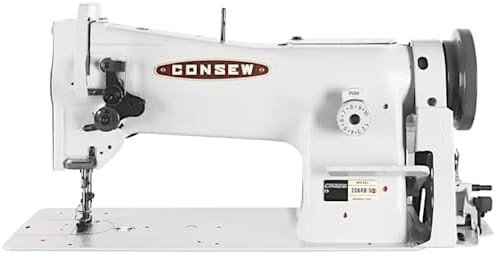 9.1
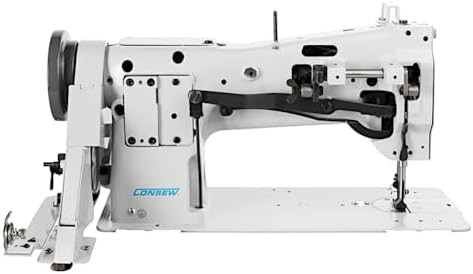
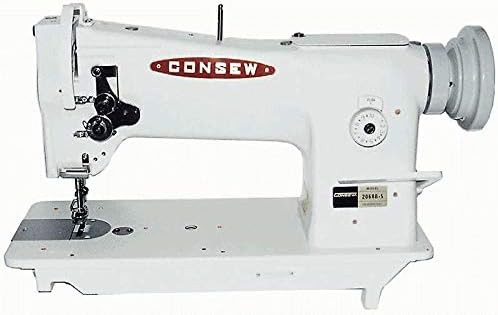 8.5
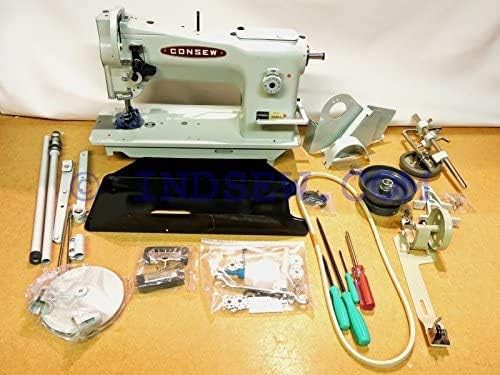
 8.2
 8.0
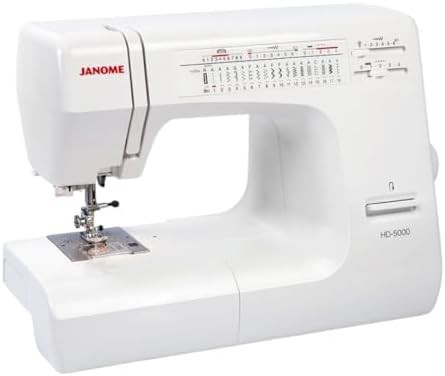
Janome
Heavy duty mechanical machine for leather
$499
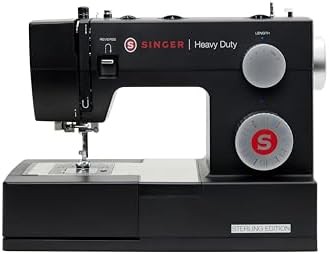
For beginners With foot pedals Quilting Heavy duty For jeans
 8.0
 7.9
 7.8

 7.8
 7.7

 7.7

 7.5
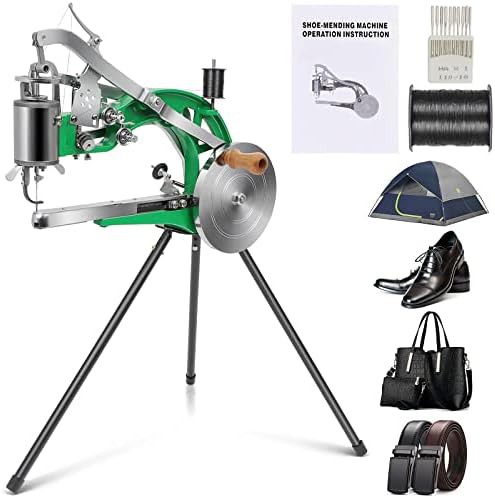 7.5
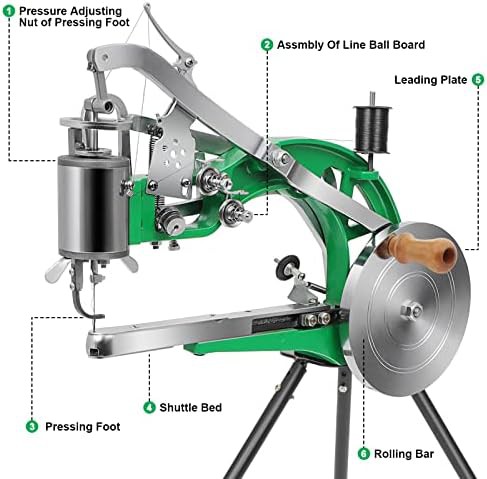
 7.5

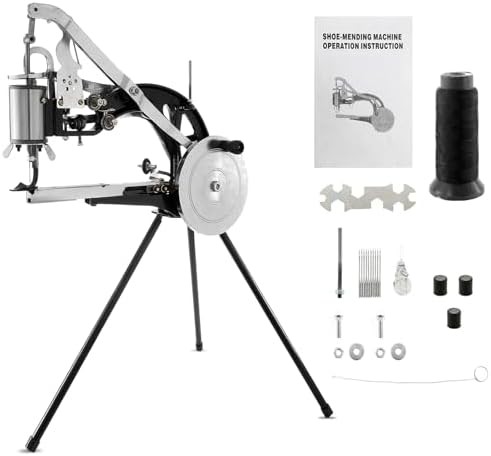 7.4
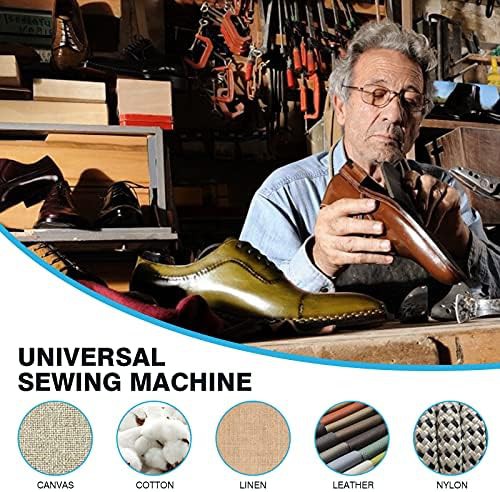
 7.4

 7.3
 7.0
 7.0
 6.7
 6.3
 5.7

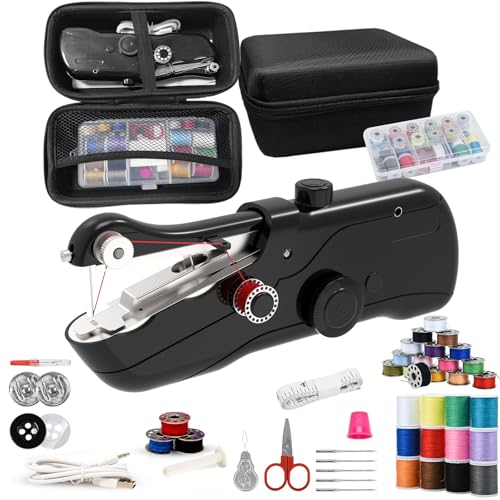
AMONIDA
Mini sewing machine for beginners with LED light
$29.38
For beginners Mini DIY craft Travel With LED lights
 5.4
 4.0
 4.0
 4.0

BENEALL
Mini portable electric mending machine
$20.99
For beginners Mini DIY craft Mending For adults








Common questions
Leather sewing machine questions
Can a leather sewing machine sew fabric too?
Yes, but the feed and needle setup is tuned for hide. Cloth may pucker or skip because the machine runs slow and the presser foot grips harder. A heavy-duty cloth machine is easier for mixed work.
What is nylon line used for on a cobbler machine?
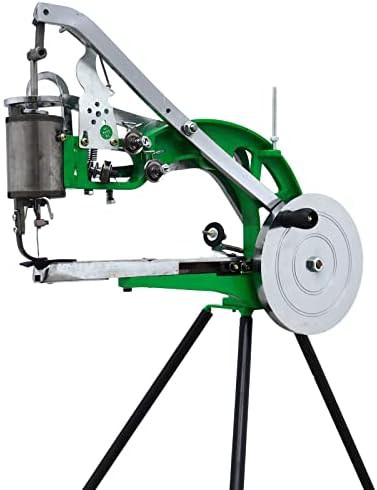
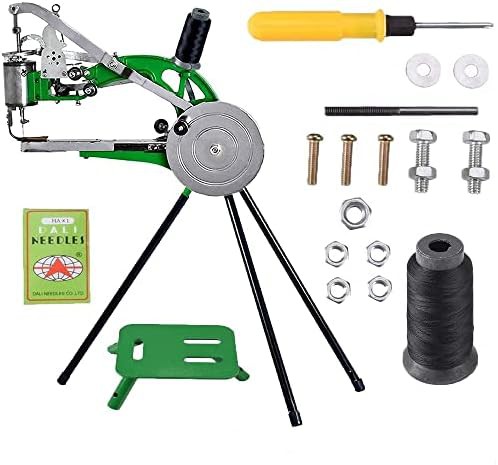
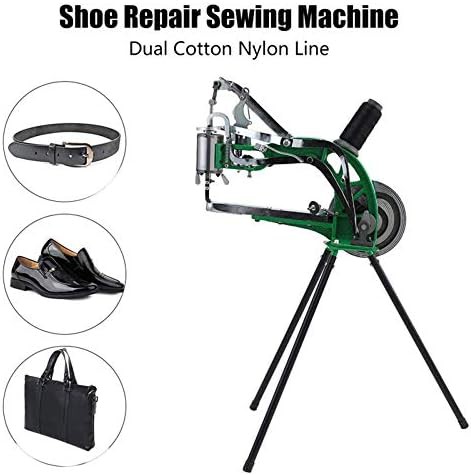
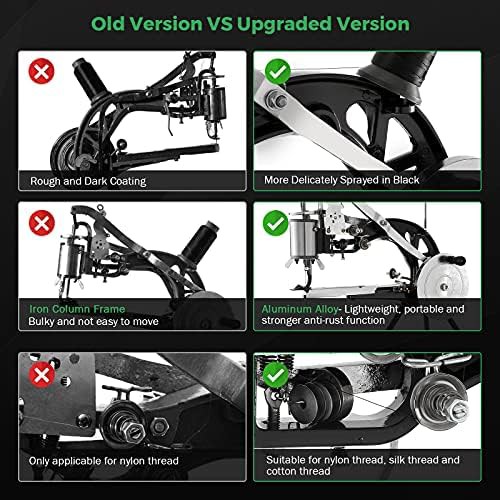
Nylon line is the thread on manual shoe repair machines. It knots inside the leather and resists rot and abrasion better than cotton or polyester. You pull it through by hand, one stitch at a time.
Do leather machines need a special needle?
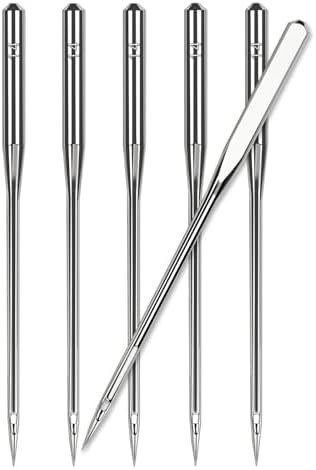
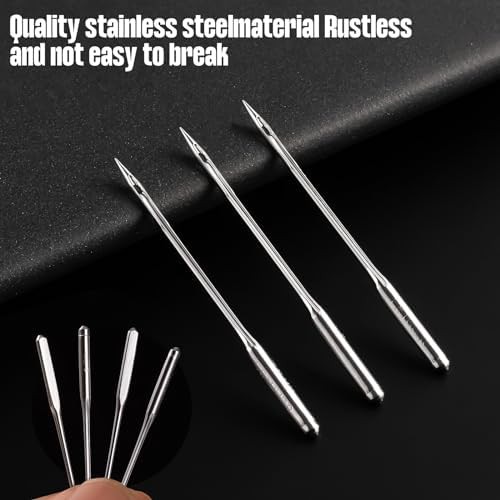
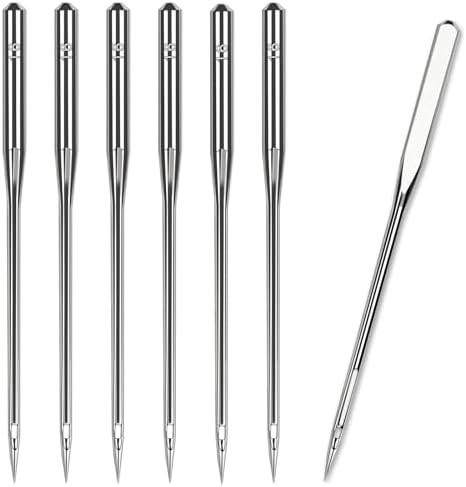
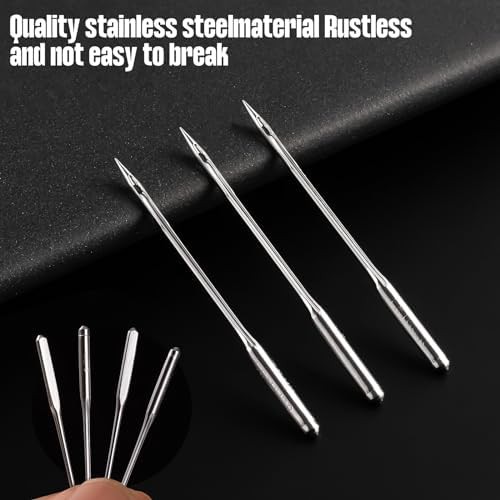
Yes. Leather needles have a cutting point that slices through hide instead of pushing it aside. A standard sharp needle can tear the material or deflect. Size depends on the thickness of the leather.
Can a leather machine sew shoe soles?
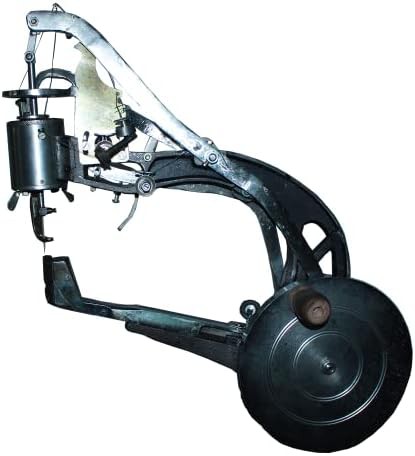
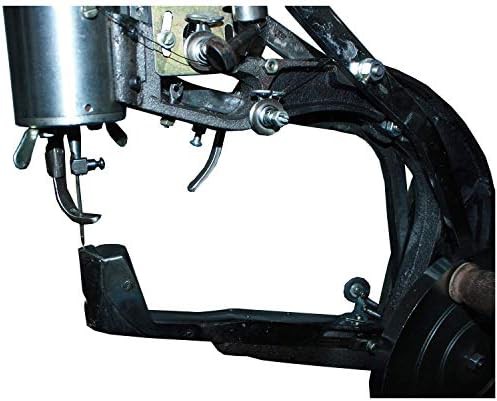
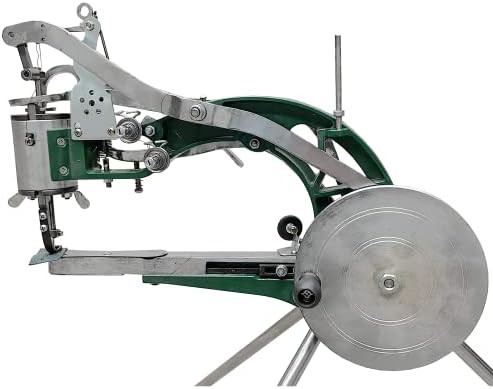
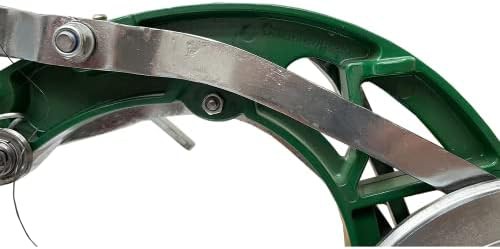
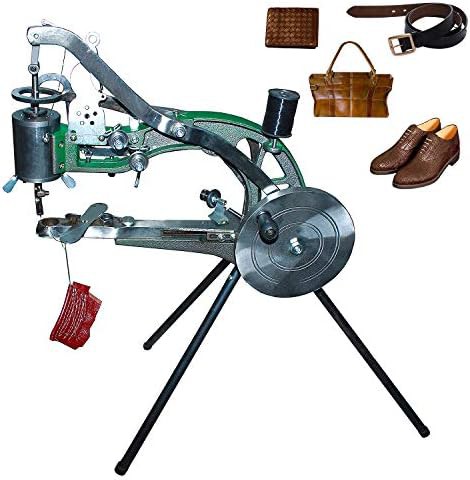
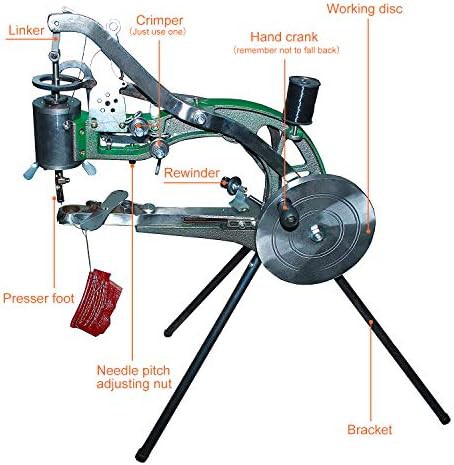
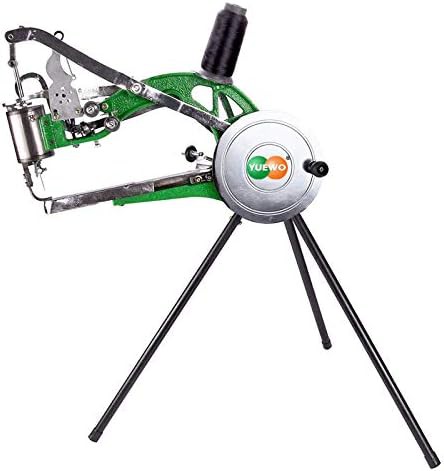
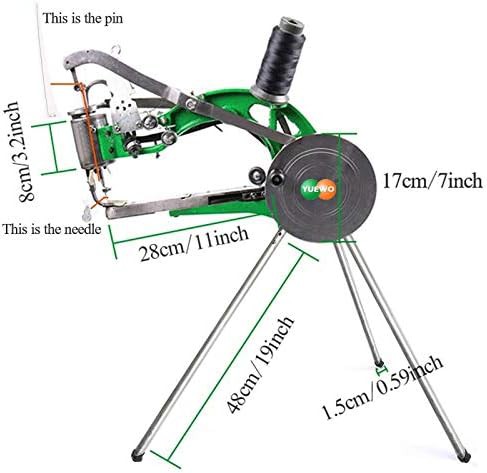
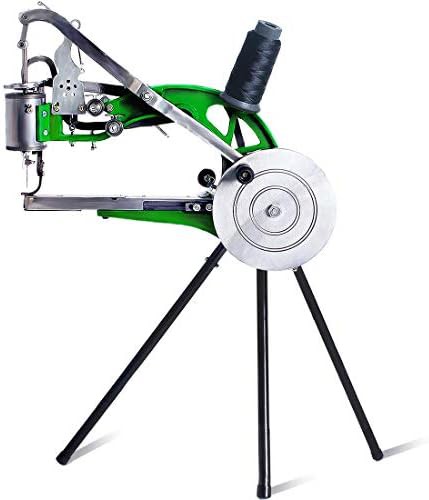
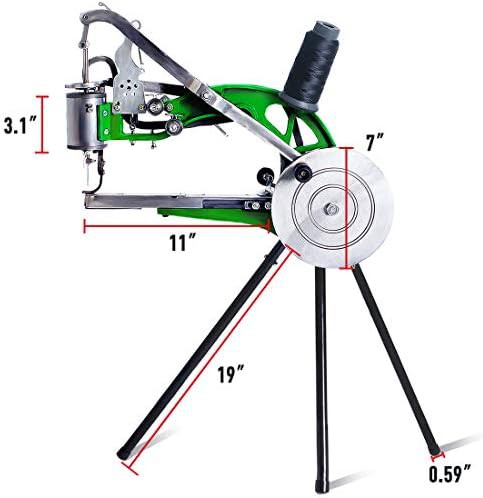
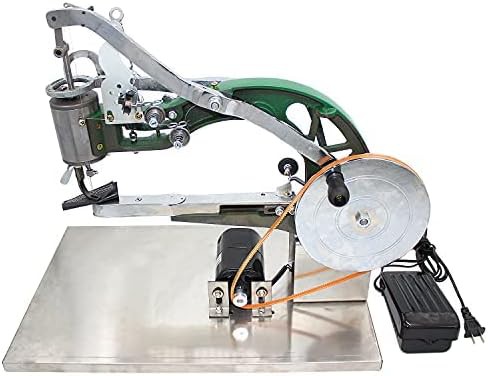
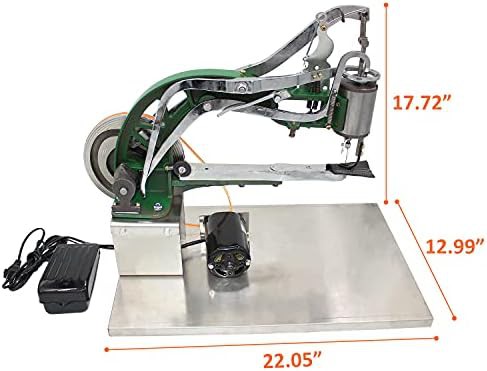
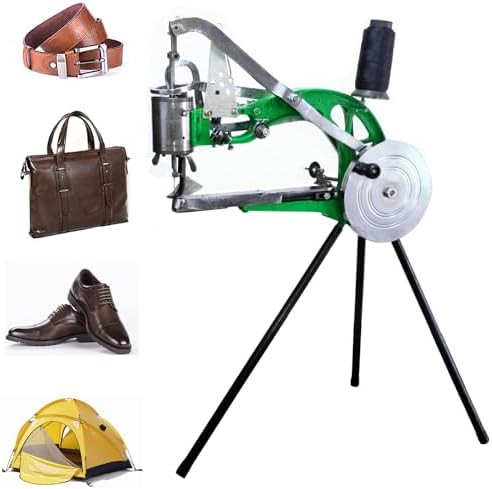
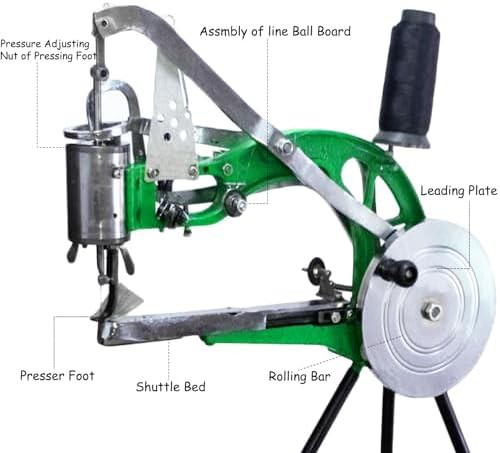
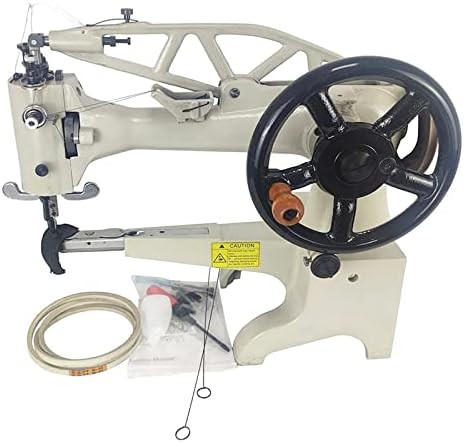
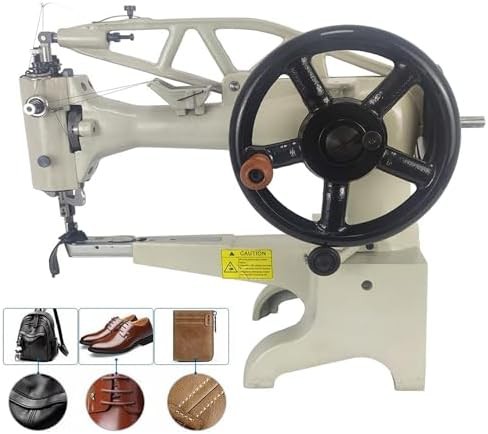
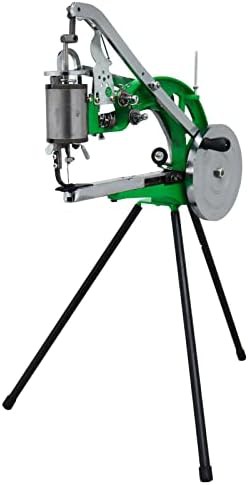
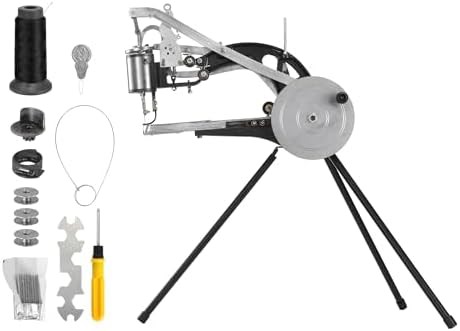
Cobbler machines with a stainless steel base and manual awl are built for shoe repair, including soles. Motorized flatbed leather machines reach uppers and bag panels but not the tight inside curves of a shoe. The manual cobbler form is the one used for sole stitching.
What leather demands from a machine
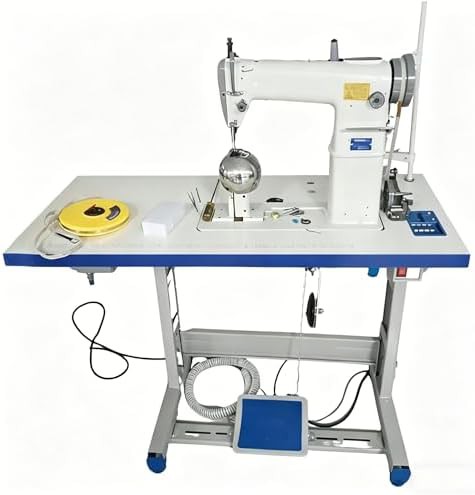
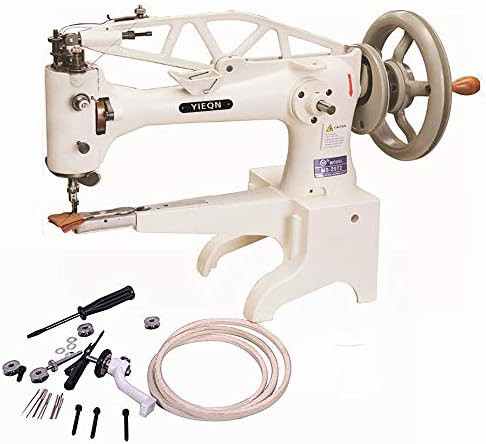
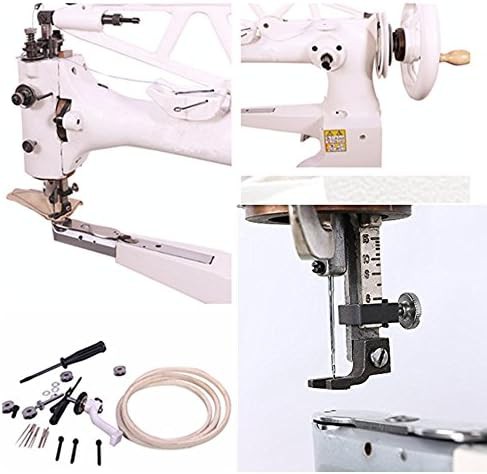
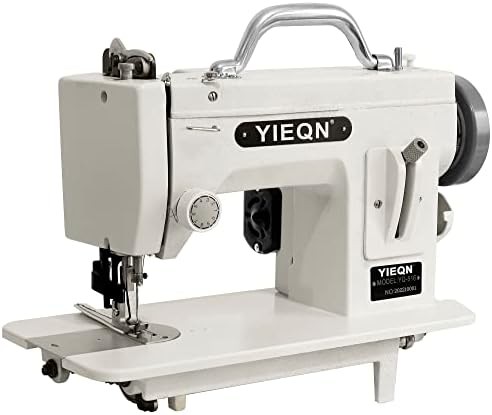
Leather resists needle penetration and grips the presser foot, so machines built for it run slower with more torque. A 250W motor and stainless steel base appear on cobbler-style units that push a needle through shoe uppers and bag panels. The feed is often a walking foot or a manual awl action rather than a standard drop feed.
Manual cobbler machines and motorized flatbeds
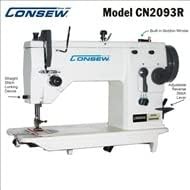
Two forms show up in this slice: hand-cranked or hand-lever cobbler machines threaded with nylon line, and motorized flatbed machines with a 110V motor. Manual units are used for shoe repair and mending inside curves where a flatbed cannot reach. Motorized heads like a single needle lockstitch or a zig-zag model handle longer seams on bags, coats, and upholstery panels.
Thread, needle, and foot setup
Nylon line is standard on manual cobbler machines because it holds a knot under tension and resists abrasion. Motorized leather machines use heavier needles and longer stitch lengths to avoid tearing the hide. A zig-zag stitch helps finish edges that would crack if perforated in a straight line.
Where leather machines differ from heavy-duty cloth machines
Heavy-duty cloth machines handle denim and canvas but their feed dogs and presser feet are shaped for woven fabric, not hide. Leather machines trade speed for penetration force and often skip the reverse lever or decorative stitches. If you sew mostly cloth with occasional leather patches, a heavy-duty machine covers both; if leather is the main material, a cobbler or industrial head is the better fit.