 9.4
Sewing machines / Embroidery
Selected brands
Embroidery Sewing Machines
Updated 2026-10-27
Decorative stitchers designed for creating intricate patterns and monograms 41 sewing machines · 21 brands
For beginners
Mini
With kits
Handheld
DIY craft
Mending
Travel
Affordable
For adults
With foot pedals
12-stitch
Dual speed
Quilting
Heavy duty
Multi-stitch
For kids
With LED lights
Leather
For jeans
With extension tables
Computerized
White
Cordless
Serger and overlock machines
Industrial
Black
With cases
Embroidery
Free arm
16-stitch
Blue
Manual
Red
Purple
Fits 13 inch
Green
Gray
Best Embroidery Sewing Machines
9.4

 9.4
 9.3

 9.3
 9.1
 9.0

 8.9

SINGER
Computerized Heavy Duty Sewing and Embroidery Machine
$380
With kits Multi-stitch Heavy duty Computerized
 8.7
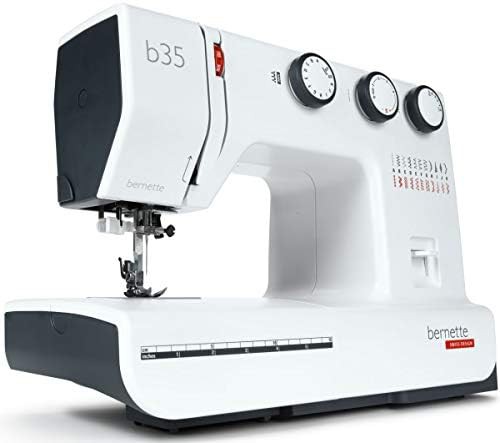
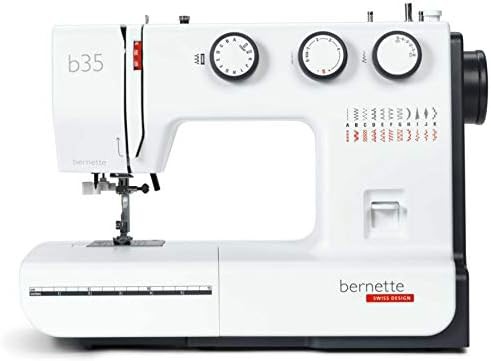
Bernette
Heavy duty quilting machine with extension table
$399
Quilting Multi-stitch Heavy duty With LED lights With extension tables
 8.5
 8.4

EverSewn
Computerized Eighty Stitch Quilting Machine
$199
For beginners Quilting Multi-stitch With LED lights Computerized
 8.3
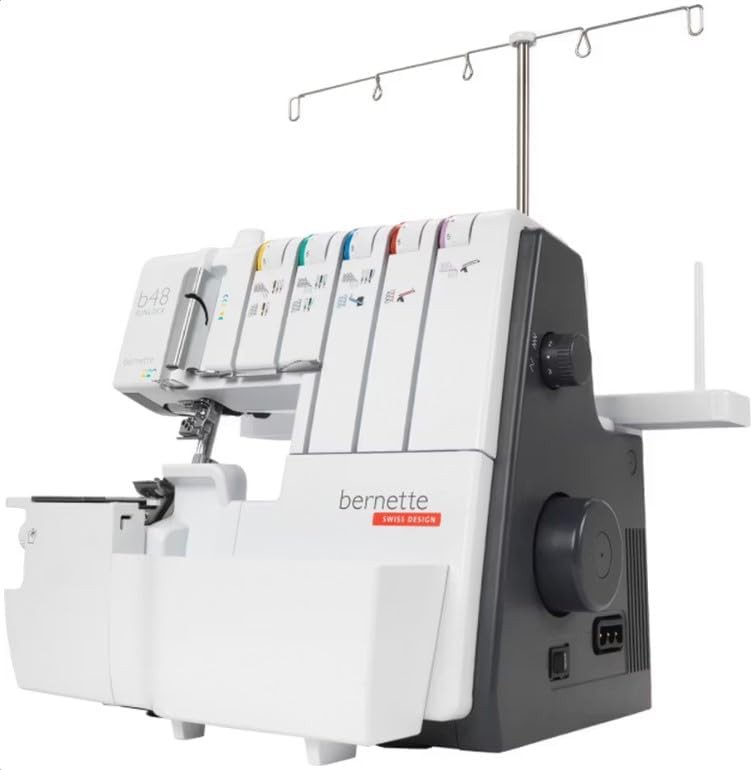
Bernette
Serger and coverstitch machine for quilting
$999
For beginners For adults Quilting Multi-stitch Heavy duty With LED lights
 5.5

Janome
Multi Needle Computerized Embroidery Machine
$5,999
For beginners For adults Quilting Heavy duty Computerized
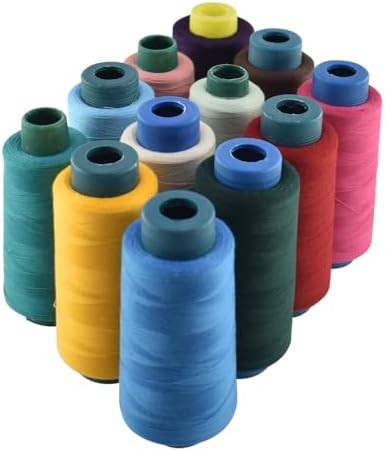
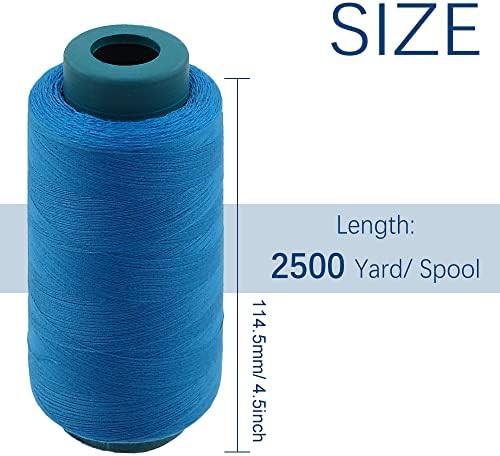
HDST-HOME
Twelve color polyester overlock thread cones
$20.96
Polyester DIY craft Affordable Quilting


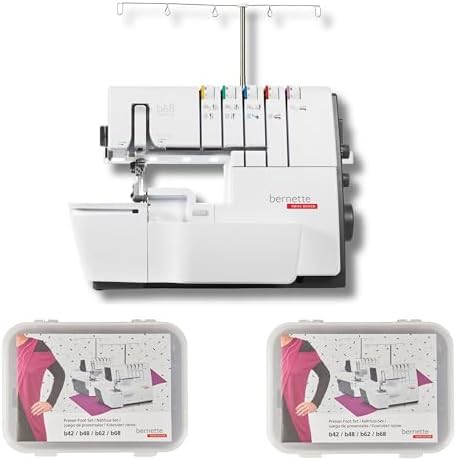
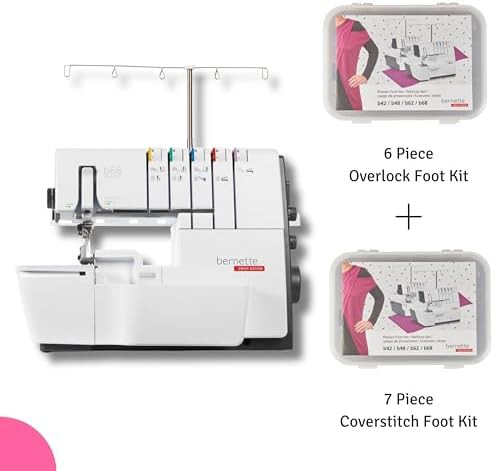
Bernette
Airlock serger machine with accessory feet
$2,178
For beginners With kits Quilting Heavy duty With LED lights Serger and overlock machines
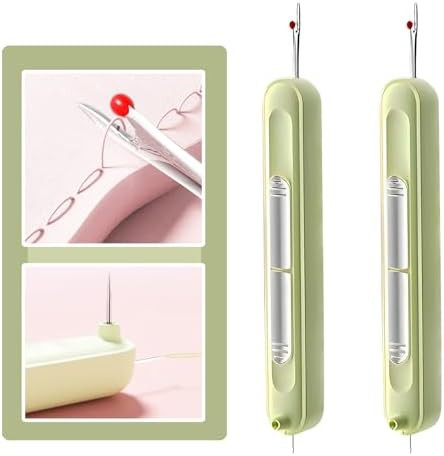
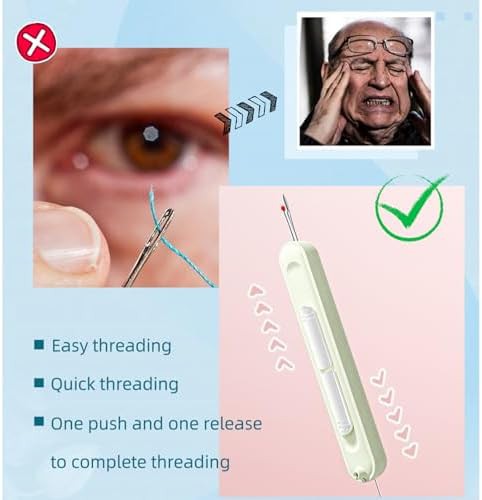
Xuvrir
Green automatic needle threader and seam ripper
$11.35
Green With kits DIY craft Affordable Quilting


EZH-CH-25-sm-738
Portable Thirty Eight Stitch Quilting Machine
$101
For beginners For adults Quilting Multi-stitch


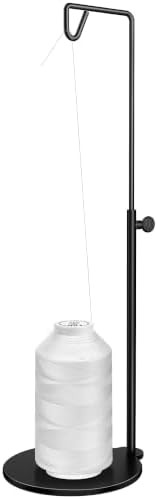
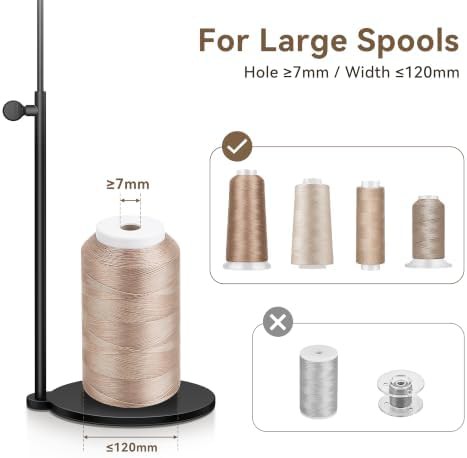


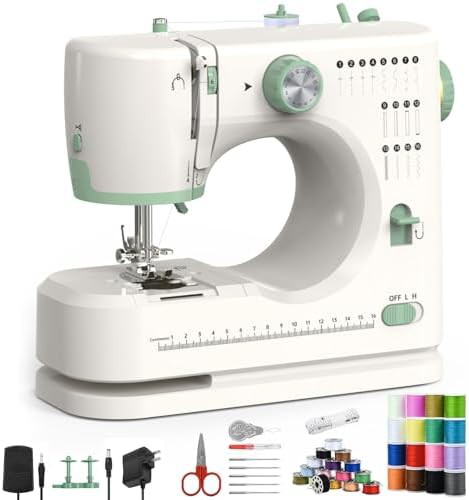
Crazyboy
Portable sixteen stitch dual thread machine
$89.99
For beginners DIY craft For adults With foot pedals 16-stitch


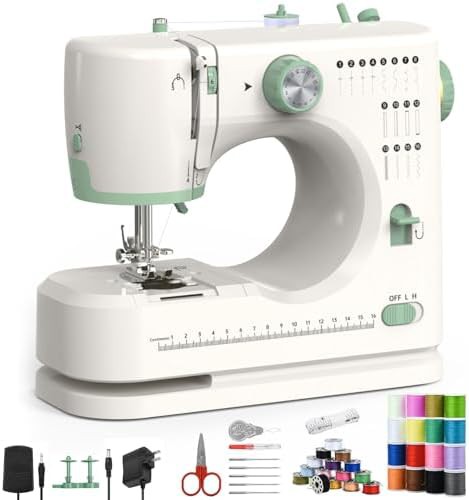
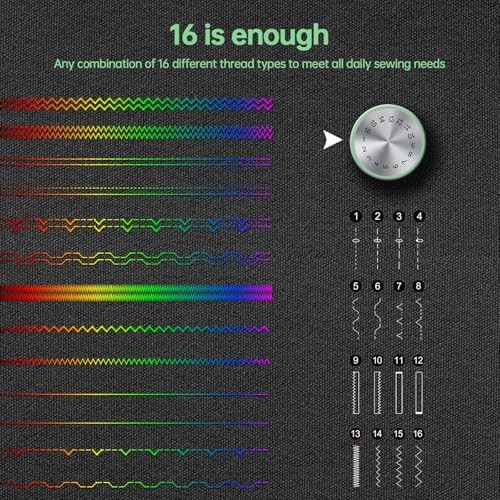
Crazyboy
Adjustable speed sixteen stitch sewing machine
$89.99
For beginners DIY craft For adults With foot pedals For kids
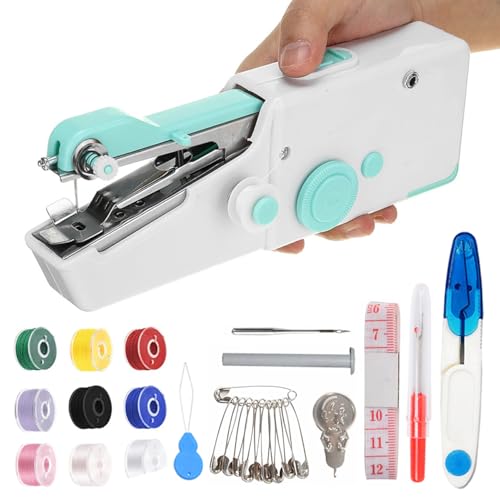
TIKMUS
Handheld Sewing Machine for Quick Stitching
$19.99
Beginners Blue Affordable DIY craft Handheld
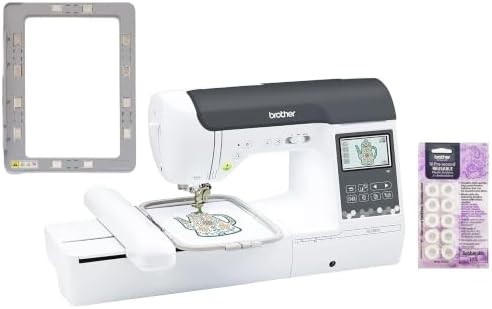
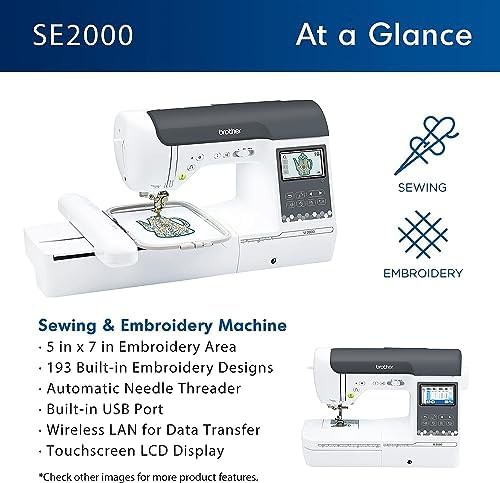
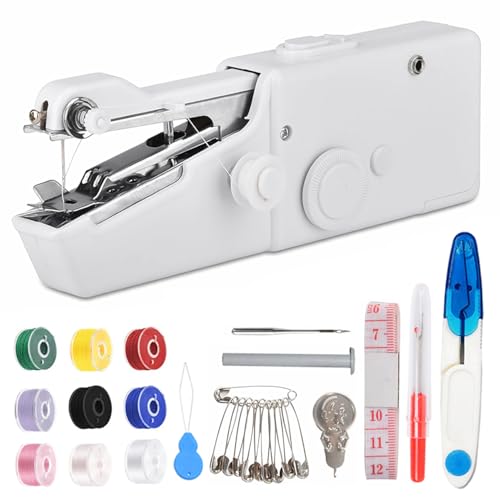
TIKMUS
Handheld Sewing Machine for Quick Stitching
$19.99
Beginners Affordable DIY craft Handheld Jeans
 8.0
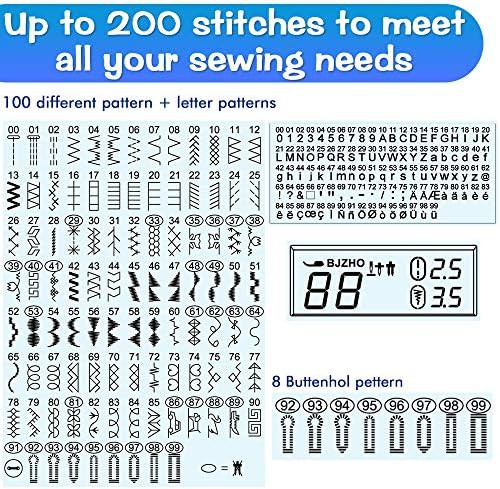
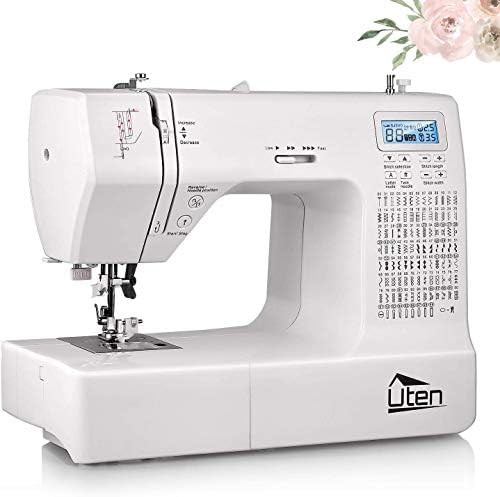
Uten
Computerized embroidery sewing machine with built-in stitches
For beginners Multi-stitch Computerized
 8.0

 5.4

LondHome
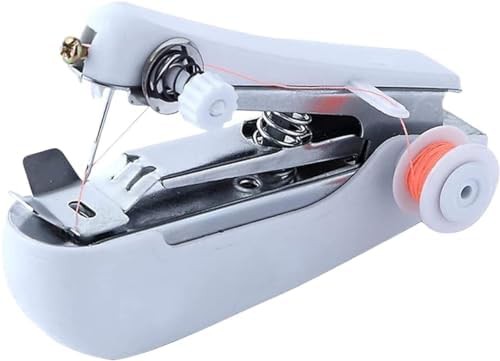
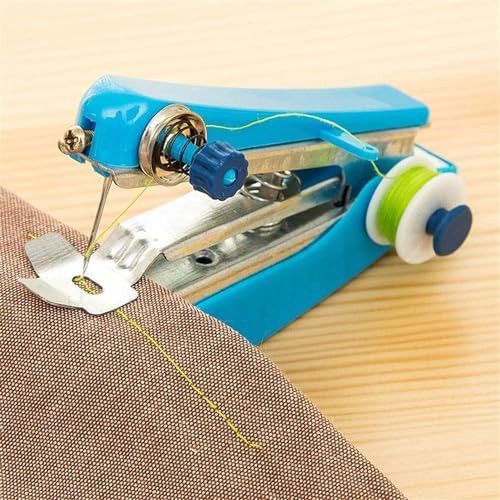
White Mini Embroidery Machine for Beginners
For beginners Mini With kits DIY craft With foot pedals Dual speed
Common questions
Embroidery machine questions
What hoop size do I need for monograms?
A 5 x 7 inch hoop covers most monograms and small motifs. Larger designs need a 6 x 10 inch field or bigger.
Can an embroidery machine also sew regular seams?
Combo machines sew and embroider in one unit. Standalone embroidery-only models do not have a standard sewing mode.
How many built-in designs should I look for?
The samples range from 138 to over 230 built-in designs. More designs mean less need to import files, but the hoop size limits what any design can become.
What thread material works in these machines?
Polyester is the thread material in the samples. It runs well in computerized embroidery machines and holds color on repeated washes.
What embroidery work demands from the machine
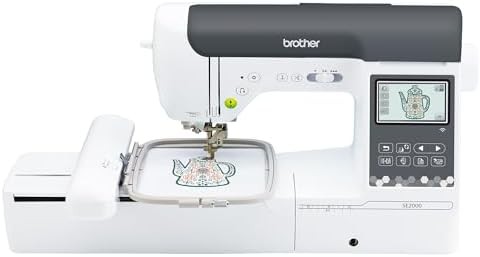
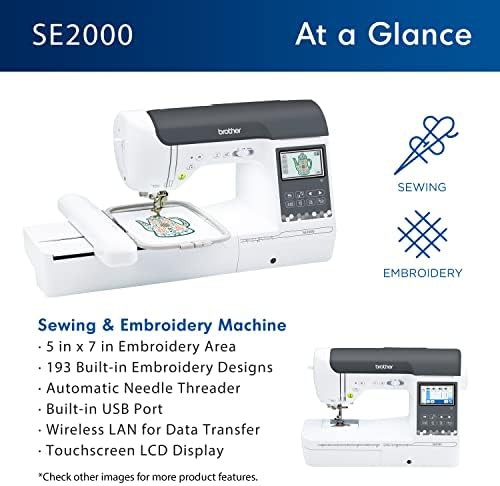
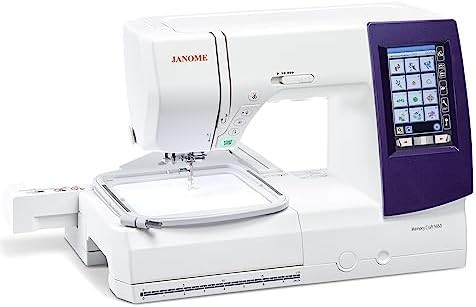
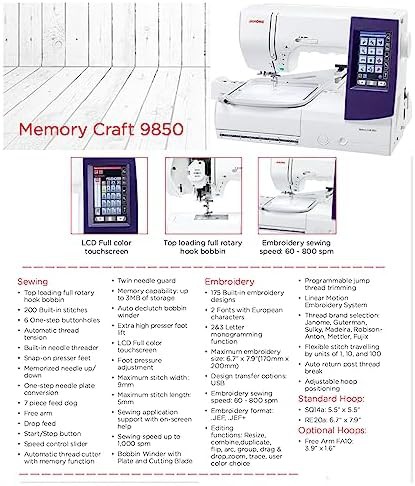
Embroidery needs a hoop field, design storage, and thread control beyond a straight stitch. The samples show hoop areas from 5 x 7 inches up to 6 x 10 inches, and one model lists a 17 inch measurement. Built-in designs range from 138 to over 230, and stitch counts reach 240 on a combo unit. A computerized interface with an LCD touchscreen is standard across the samples, from a 3.2 inch display to a 3.7 inch display.
Forms and sizes that show up
The dominant form is the combo machine: sewing and embroidery in one unit. The samples include several combo bundles with four embroidery hoops, embroidery thread sets, and accessory kits. Standalone embroidery-only machines also appear, including one with a 6 x 10 inch field and a magnetic hoop. Hoop count matters: four hoops in a bundle covers small monograms through larger designs without buying separately.
Thread, hoops, and what ships with the machine
Thread material in the samples is polyester, and one bundle includes 80 embroidery threads plus sewing threads. Hoops are the other consumable that defines what you can stitch: a 5 x 7 inch hoop handles monograms and small motifs, while a 6 x 10 inch field takes larger designs. Some bundles include a magnetic hoop, which holds fabric without adhesive spray or hooping tension.
When embroidery is the wrong tool
If the work is straight seams, hemming, or mending, an embroidery machine adds cost and complexity without benefit. A basic mechanical or multi-stitch machine handles those tasks faster. If the goal is quilting with decorative stitches, a quilting-focused machine with a large throat space is a better fit than an embroidery unit. Embroidery machines earn their place when the output is monograms, decorative motifs, or patterned panels.